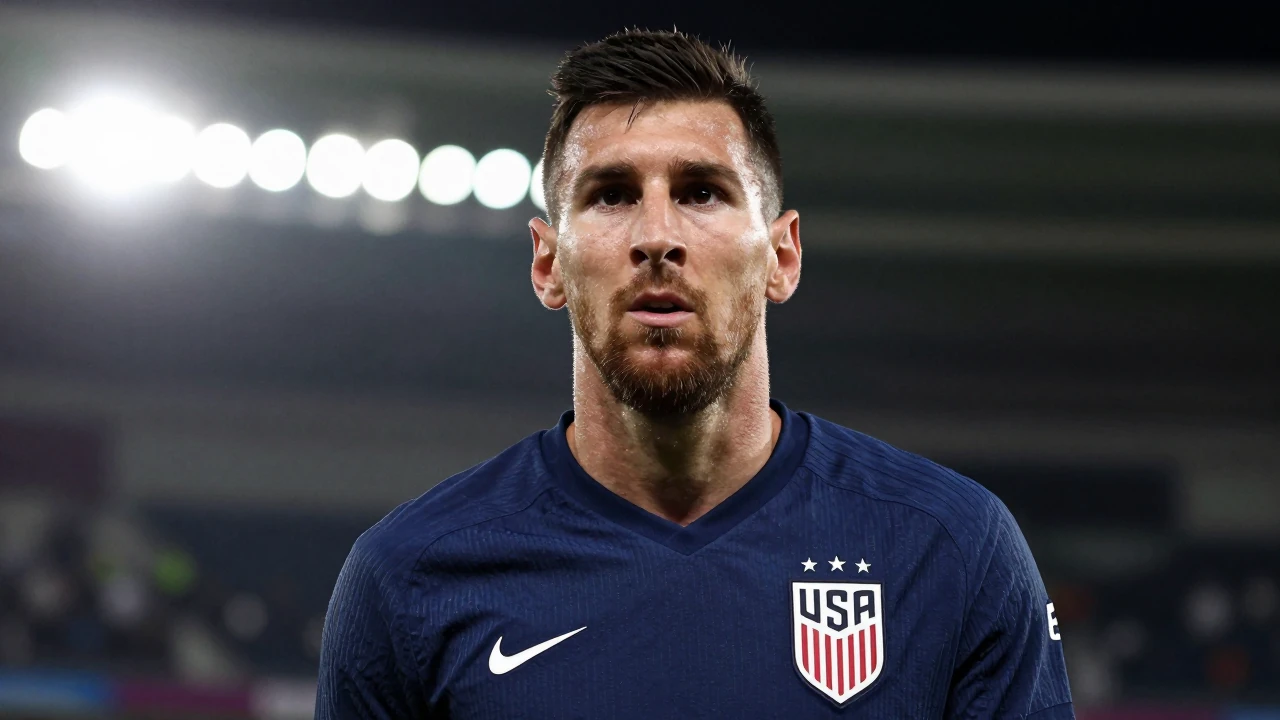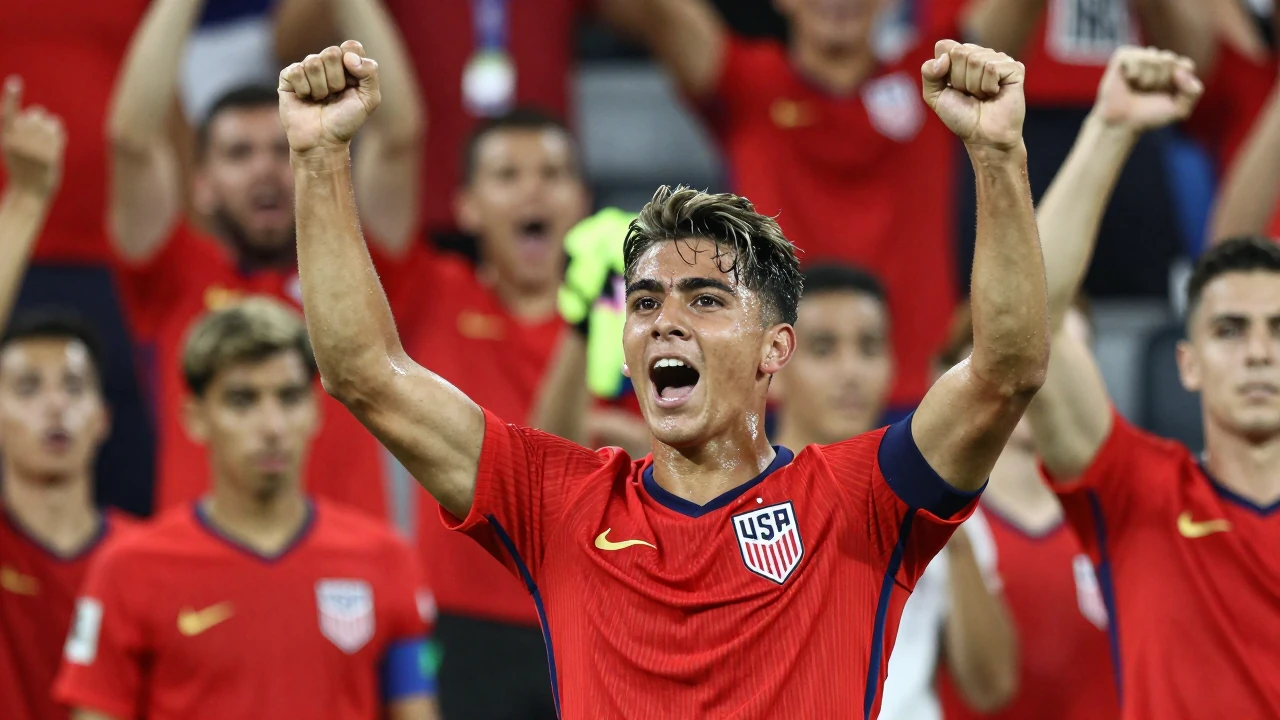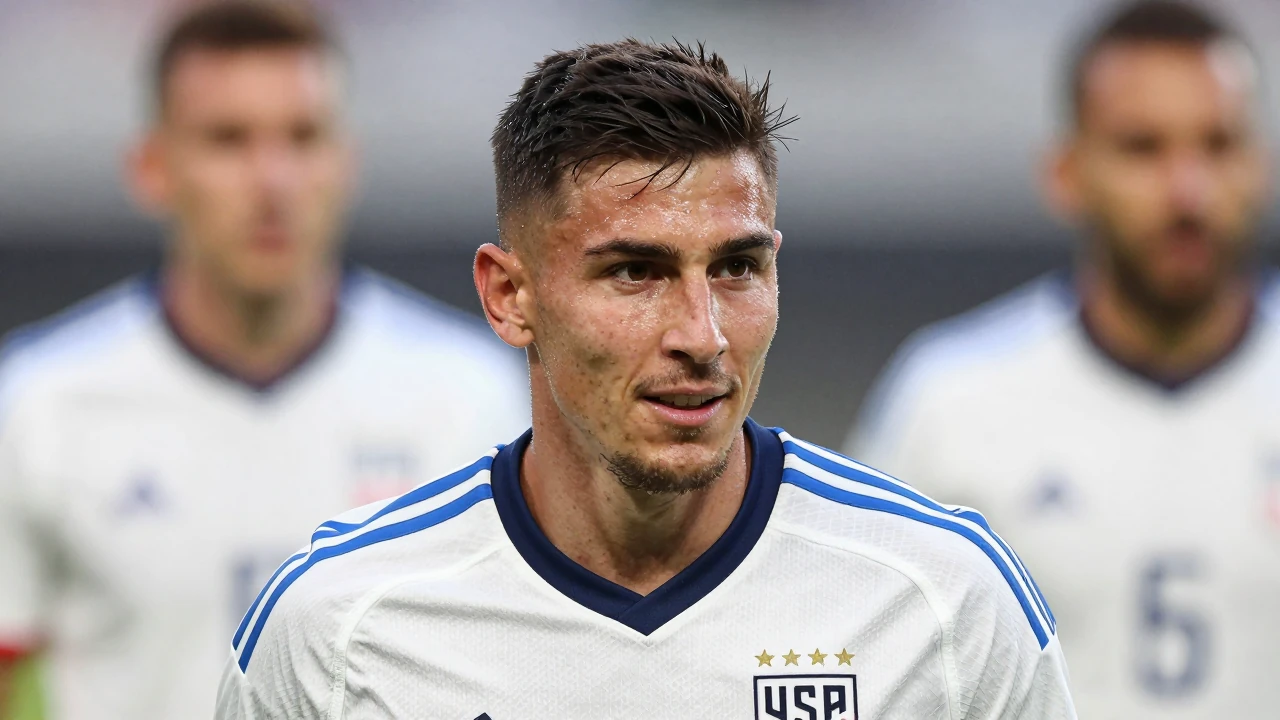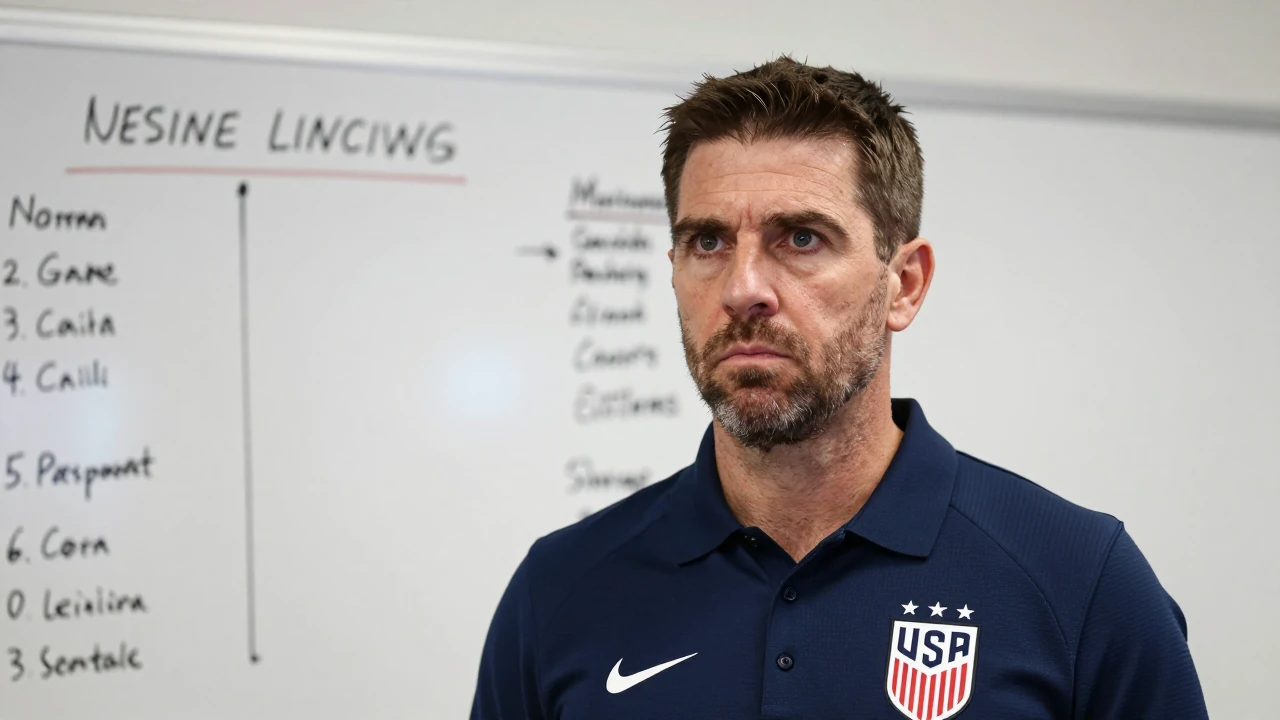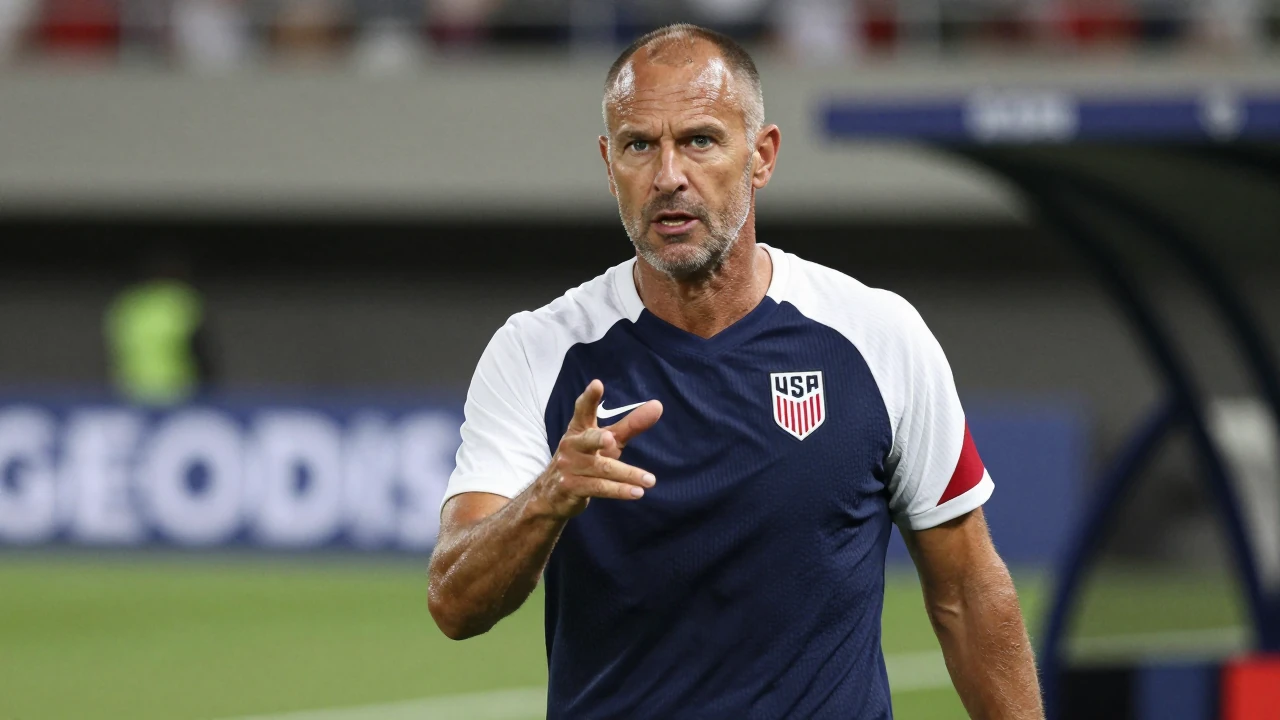

The United States men's national soccer team's 2026 World Cup exit has reignited a critical debate about the nation's youth development system. Despite fielding one of its most talented squads ever, the USMNT suffered a disappointing tournament elimination in July.
What is the pay-to-play debate about?
Former USMNT defender Alexi Lalas recently defended the American model on social media. "Sure. Pay to play is not ruining youth soccer. Millions benefit. It’s a business catering to a market willing to pay for the product," Lalas said. He argued that soccer, like piano lessons, is not an inalienable right and questioned who would fund a free alternative. This stance comes as the United States, with over 340 million people and one of the world's largest youth soccer participation bases, continues to see its national team fall short on the global stage. Billions of dollars are invested in youth sports annually, yet a clear path to professional soccer remains elusive for many American families.
How do successful European nations develop talent?
European systems offer a stark contrast. In countries like Germany and England, professional clubs operate certified academies designed to identify and develop players. Germany overhauled its system after a poor Euro 2000 performance, mandating Bundesliga clubs to establish academies, a move that contributed to their 2014 World Cup victory. England's Elite Player Performance Plan (EPPP) creates a structured pathway under club control. Clubs such as Ajax, Borussia Dortmund, and Benfica have generated hundreds of millions in revenue through this player development and transfer model. Croatia, with a population under 4 million, reached the 2018 final and finished third in 2022, powered by clubs like Dinamo Zagreb, which developed stars like Luka Modrić.
Where did key USMNT stars actually develop?
The USMNT's reliance on players developed abroad highlights systemic issues. Christian Pulisic, widely seen as the face of American soccer, left Pennsylvania at 16 for Borussia Dortmund's academy. He progressed from their U-17 team to the first team in just over a year. Striker Folarin Balogun, who was arguably the team's most important player at the 2026 tournament, spent his entire life in England and joined Arsenal's academy at age eight, developing entirely through the EPPP. These cases show that the current American system is not producing its top-tier talent domestically. You can view the full roster of domestic and foreign-developed players on our squad page.
What is the future for US youth soccer?
The conversation is shifting from excuses to action. For years, U.S. Soccer has pointed to growth and asked fans to wait for the next generation. Now, other nations like Mexico, Japan, and Ecuador are signaling rebuilds of their own youth systems. The core problem is structural: American youth soccer is fragmented among countless organizations funded by families, not by professional clubs with a vested interest in producing players. This lack of a unified, club-driven academy model continues to be a major obstacle. The team's performance and future prospects can be tracked through our stats and standings pages for ongoing competitions.
Moving forward, the debate sparked by the 2026 World Cup failure must lead to tangible change. The American model, which treats youth players as customers, is being directly compared to systems that treat them as investments. Without a fundamental shift toward a club-based academy structure, the United States risks wasting its vast population and financial resources. The next World Cup cycle will be a key test of whether these hard lessons have been learned.