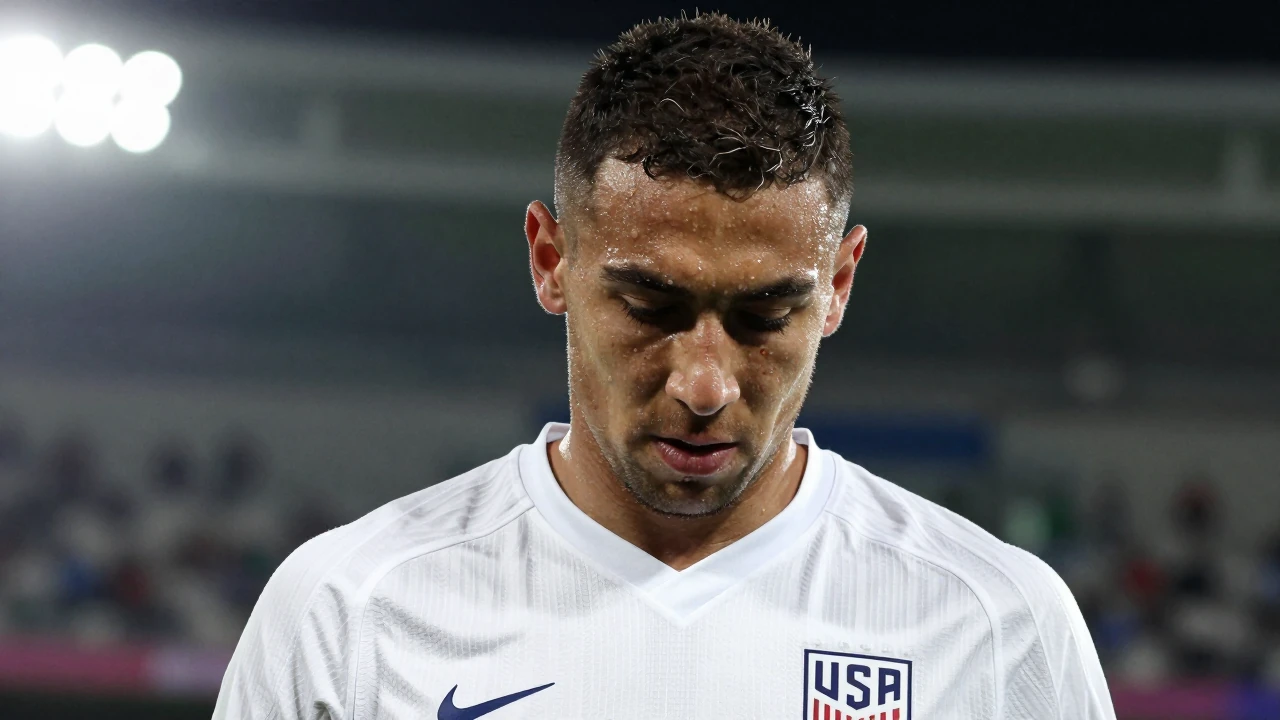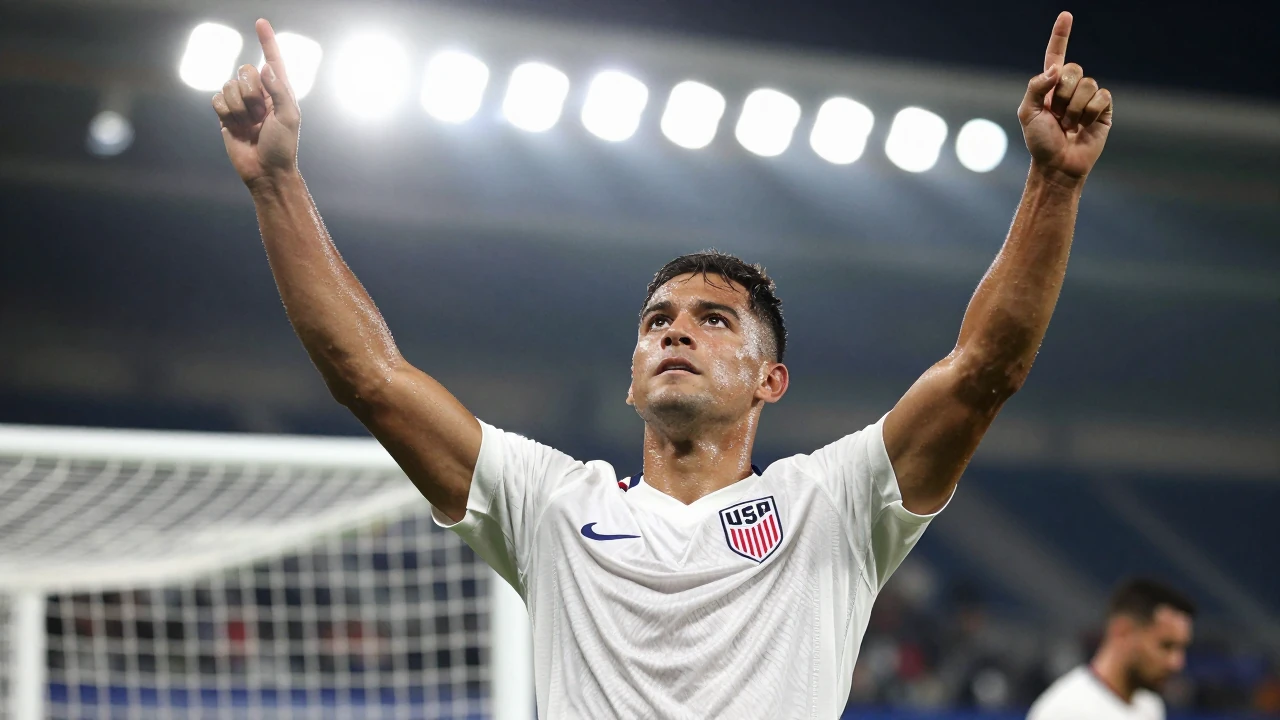
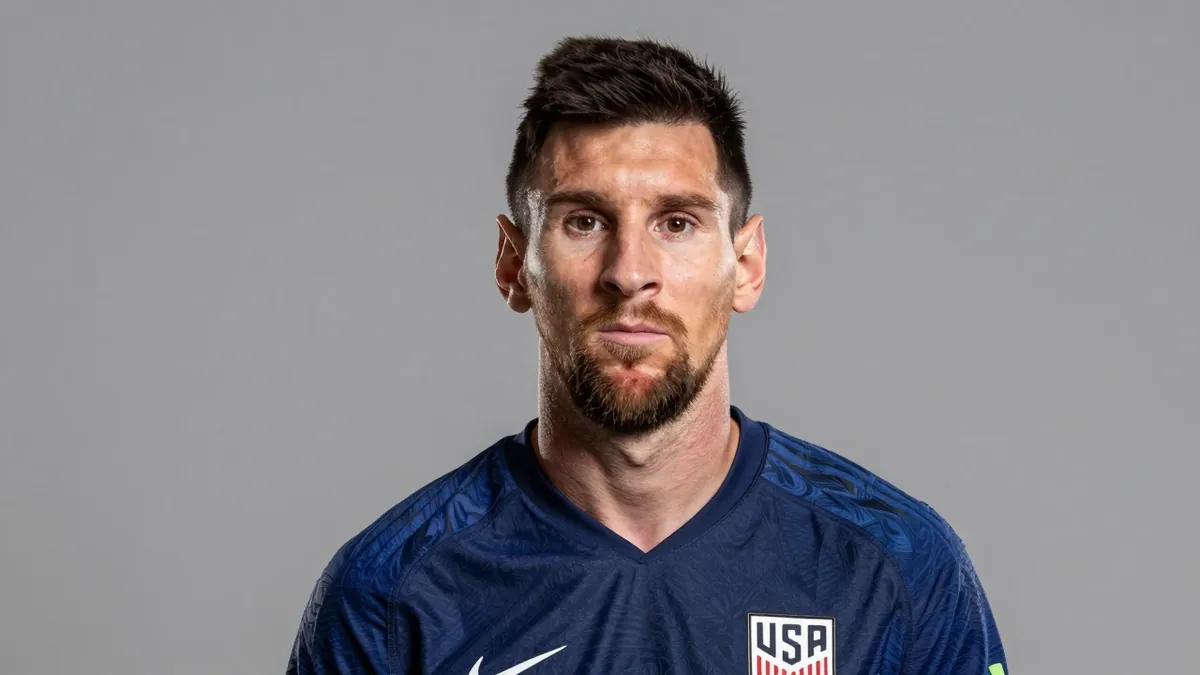
Fox Sports host Rebecca Lowe has declared that the United States men's national team should be winning the FIFA World Cup every four years. Her comments, made on the network's State of the Union segment with Alexi Lalas this week, set a bold benchmark for the USMNT program as it reflects on the 2026 tournament hosted on home soil.
Lowe's statement was part of a video report published by Fox Sports. "The United States should be winning the FIFA World Cup™ every four years," Lowe said. The 51-second clip was posted just one hour before this article, indicating the topic is generating immediate discussion. The segment falls under the network's soccer coverage and arrives amid broader conversations about the team's future direction.
What does this standard mean for the USMNT?
Lowe's expectation frames the United States not just as a participant but as a perennial contender for football's ultimate prize. This perspective comes after the USMNT's campaign in the 2026 World Cup, which provided a major platform for the sport in the country. The comment directly challenges the narrative of gradual improvement, suggesting the team's resources and player pool should translate to consistent championship success. It raises immediate questions about the current squad's capability and the federation's strategic planning to meet such a high goal.
You can review the profiles of players central to this discussion on our squad page.
Who are the key figures in the USMNT's next phase?
The Fox Sports report highlights several personalities and players who will influence the coming years. Alongside Lowe and Lalas, the segment previews discussions involving legends like Zlatan Ibrahimović and Thierry Henry. Current stars Christian Pulisic and Folarin Balogun are also mentioned, with specific questions posed about their club futures at places like Barcelona and Tottenham. Analyst Stu Holden is set to share his top three candidates for the face of the USMNT, a debate that speaks to the team's search for identity and leadership after a generational shift.
What questions must the program answer now?
The report outlines a series of pressing issues facing the United States setup. These include identifying the next wave of team leaders, evaluating competition in the goalkeeper position, and determining if emerging stars are ready to step up. There is also curiosity about how American managers fare in elite environments like English football, a topic Lowe plans to explore. These are not abstract concerns but practical hurdles on the path to becoming a world champion. The team's upcoming schedule, visible on our fixtures list, will offer the first tests for new configurations and roles.
| Player | Current Club | Key Question |
|---|---|---|
| Christian Pulisic | AC Milan | What's next after the 2026 World Cup? |
| Folarin Balogun | Arsenal | Could he thrive at Barcelona or Tottenham? |
| USMNT Goalkeepers | Various | Is more competition needed? |
The table above, based on topics from the Fox Sports segment, shows the specific personnel decisions looming.
How does this reshape expectations for 2030?
Lowe's comments instantly reframe the cycle leading to the 2030 World Cup. The explicit goal is no longer just qualification or a deep run, but victory. This shifts the pressure onto every aspect of the program, from youth development and coaching hires to how the federation supports its stars in Europe. The discussion about whether the U.S. Needs its next stars to emerge is no longer a forward-looking question but an urgent demand. Fans tracking the team's progress can monitor key metrics on our stats page. The coming months will reveal if the federation's actions align with this championship rhetoric, or if the statement remains a provocative talking point rather than a operational blueprint.