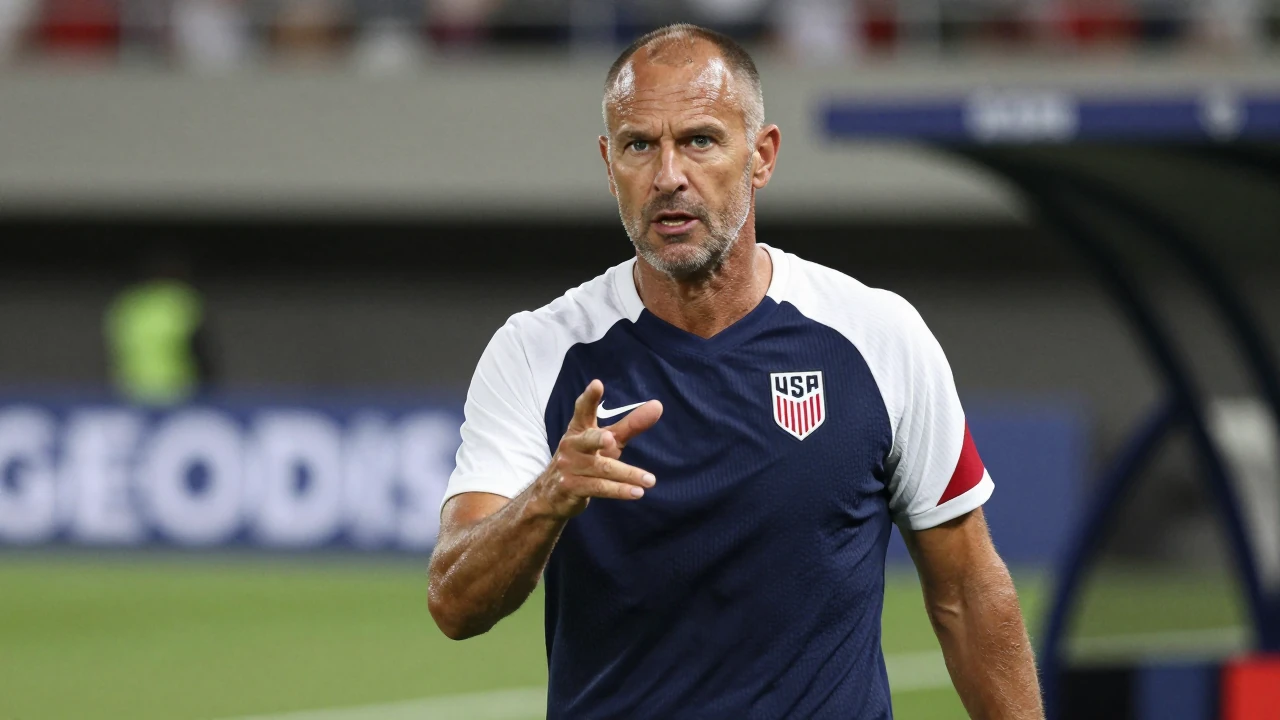

The US national football team's success in the 2026 FIFA World Cup has set the stage for a decade of sports diplomacy in the United States, with several major international championships scheduled to take place in the country over the next eight years.
The 2026 FIFA World Cup was a resounding success, with a record 6,810,966 spectators attending games in 104 matches across 16 venues in the US, Mexico, and Canada. The tournament was co-hosted by the US, Mexico, and Canada, and was marked by a number of memorable moments, including a thrilling final match.
Why it matters for United States
The success of the World Cup has significant implications for the US, as it sets the stage for a decade of sports diplomacy in the country. According to strategic advisor and Harvard Fellow Samuel Hymes, the World Cup is one of the few events powerful enough to shape how a nation is seen in real time. Hymes noted that the World Cup was a prime example of this, and that it has the potential to help the US strengthen global relationships, improve public diplomacy, attract investment and tourism, support American business, expand cultural influence, and build people-to-people ties.
Over the next eight years, the US will host several major international championships, including the 2027 Military World Games, the 2028 Summer Olympics and Paralympics, the 2031 Men's Rugby World Cup, the 2033 Women's Rugby World Cup, and the 2034 Winter Olympics and Paralympics. A sixth world championship is expected to be added to the list by FIFA at its Extraordinary Congress in Zurich, Switzerland on November 23.
Currently sidelined: M. McKenzie, C. Roldan.