The United States played a key role in hosting the 2026 FIFA World Cup, transforming 16 stadiums across North America to accommodate the expanded 48-team tournament. The competition set new records with 104 matches played and 6.8 million fans attending in person, as Spain emerged victorious over defending champions Argentina.
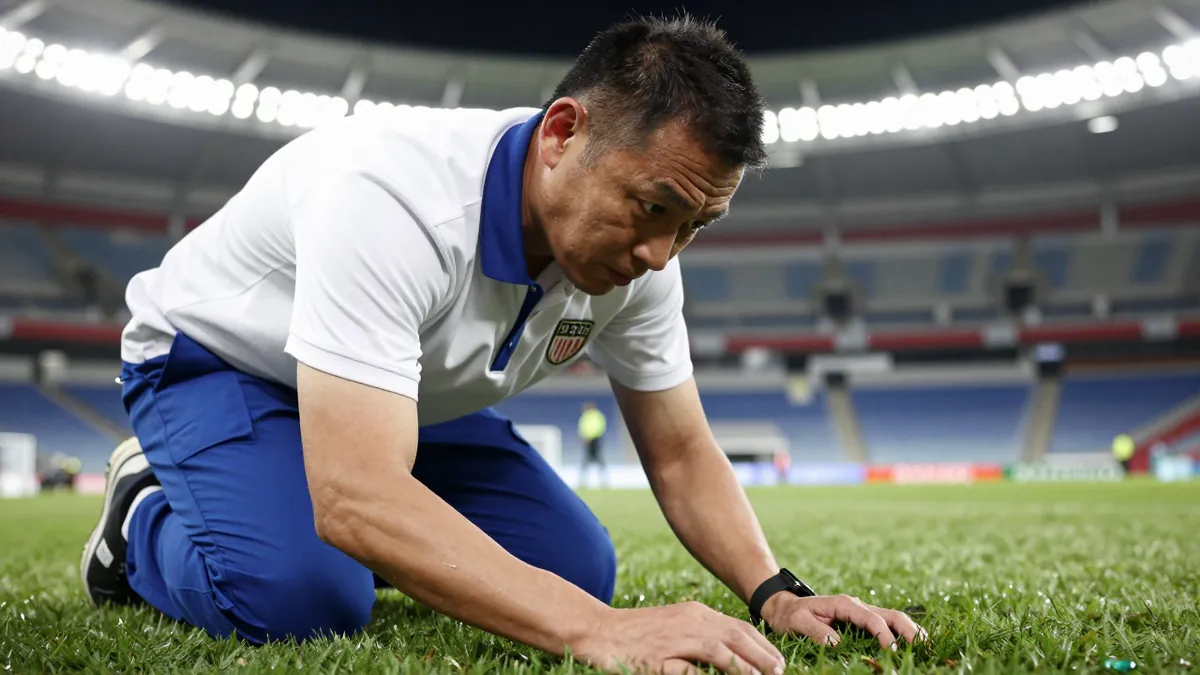
Populous, the renowned design firm behind 10 previous World Cups, led the 'overlay' process-temporary modifications to existing stadiums. This included widening pitches to FIFA standards, replacing artificial turf with natural grass, and covering sponsorship logos to comply with FIFA's neutral venue requirements. The grass installation alone was a complex operation, involving specialized soil layers and expert cultivation from universities.
Populous collaborated with local organizers to create a unified fan experience in Kansas City. The city became a favorite among supporters thanks to customized airport signage, wrapped bus stations, and immersive displays. These efforts ensured teams and fans felt welcomed during their stay.
The 2026 tournament marked the first time the United States co-hosted the World Cup with Mexico and Canada. The record-breaking attendance and viewership highlighted football's growing popularity in the region, while the transformed stadiums provided a lasting legacy for future events.