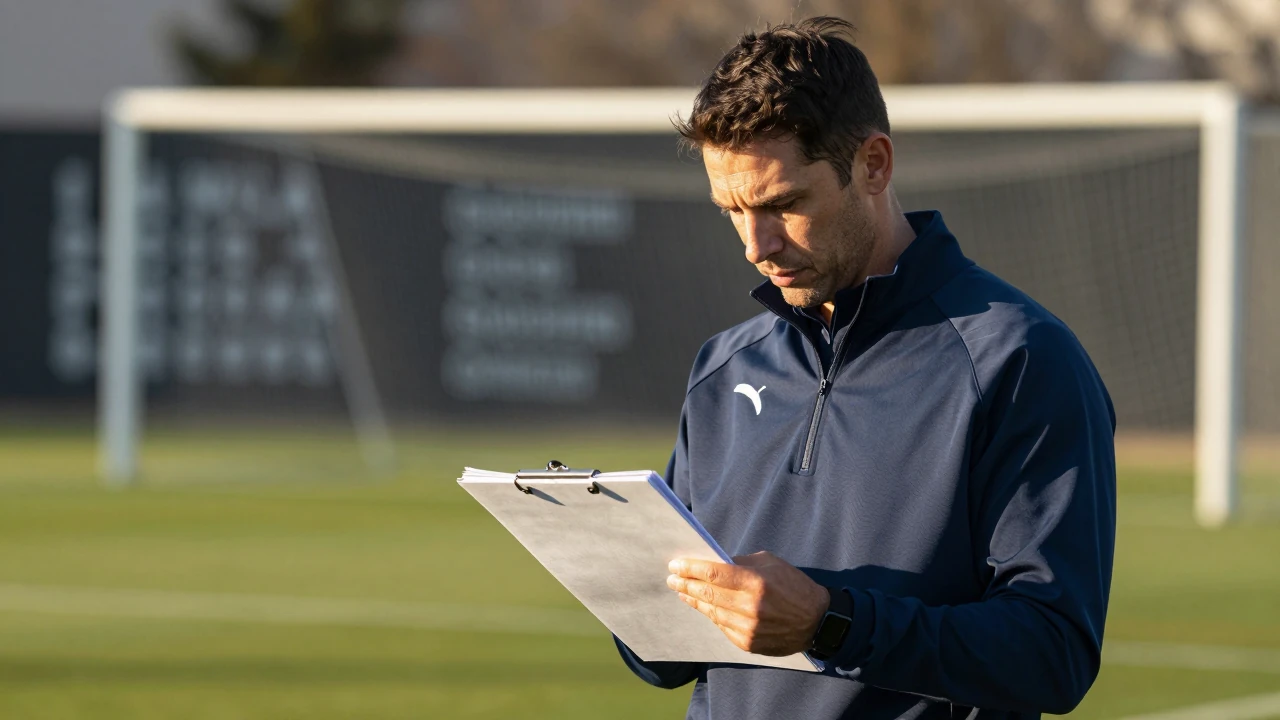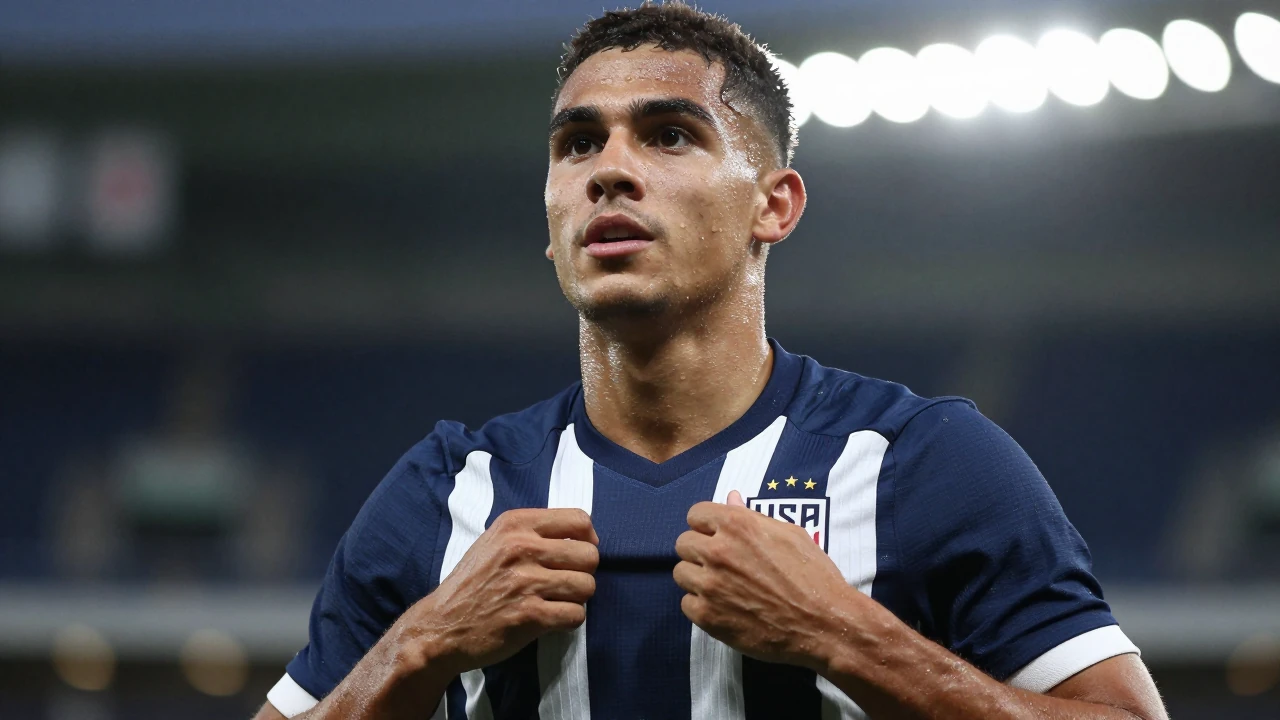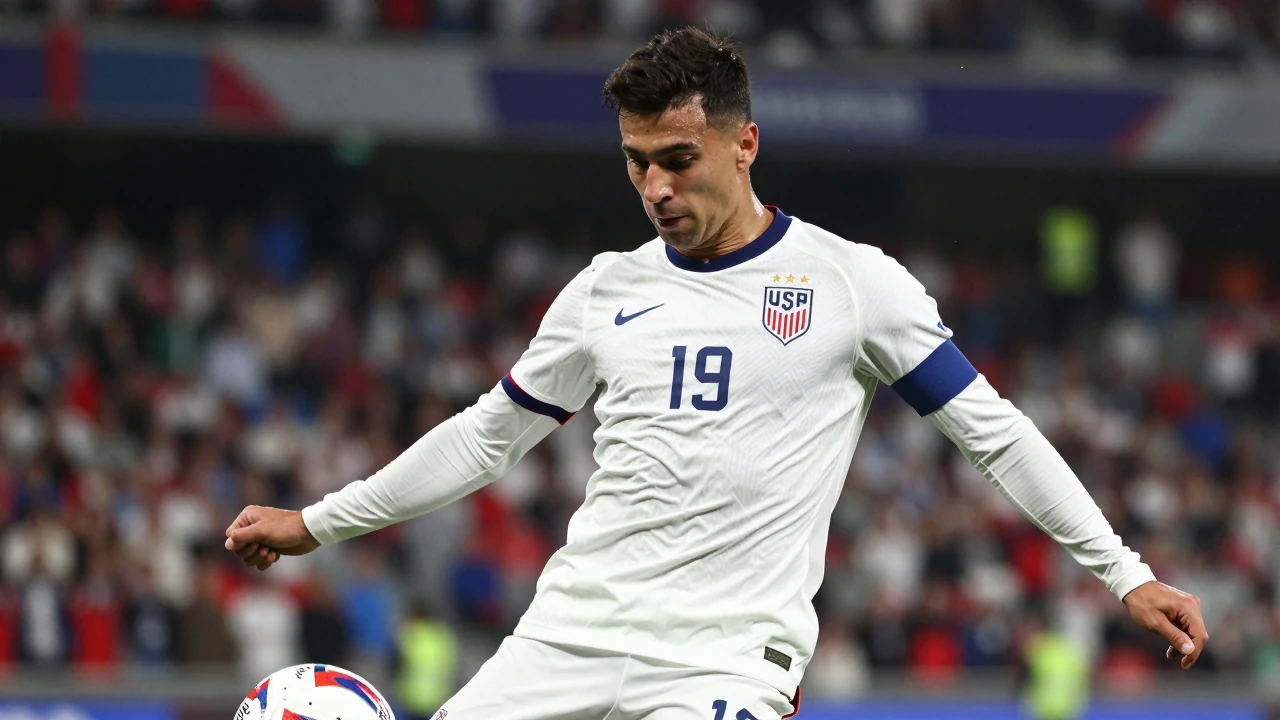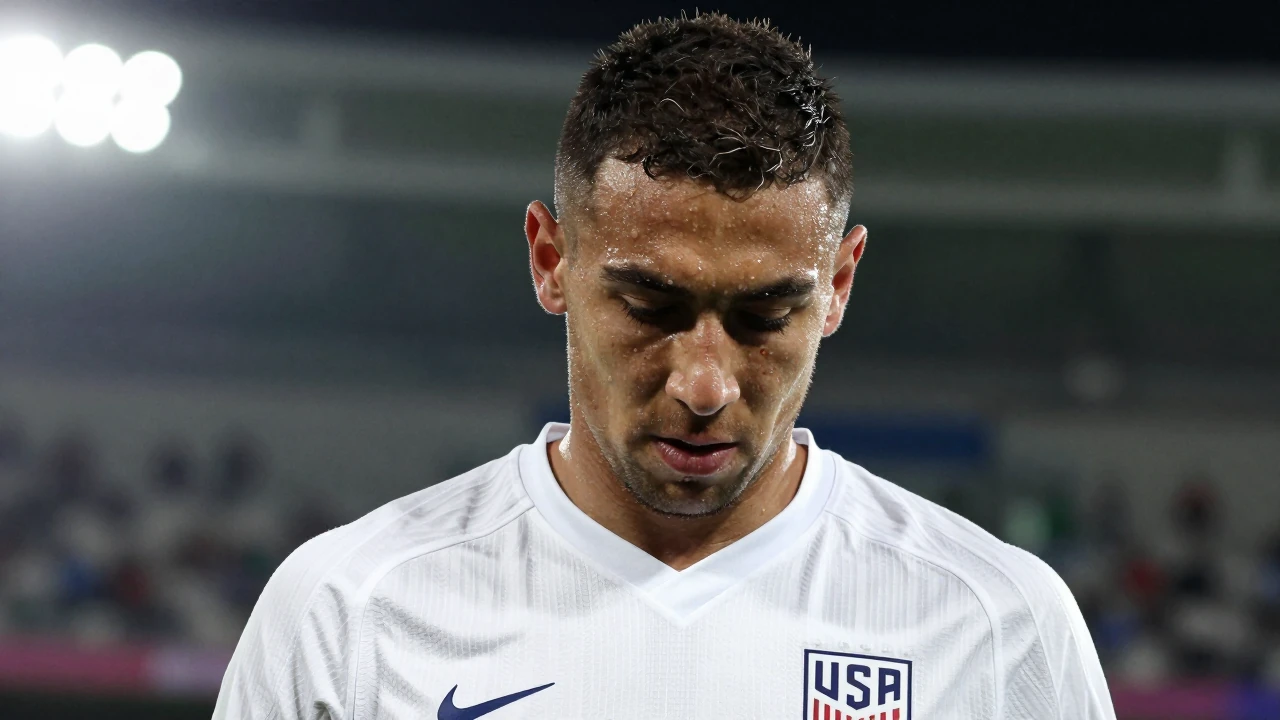
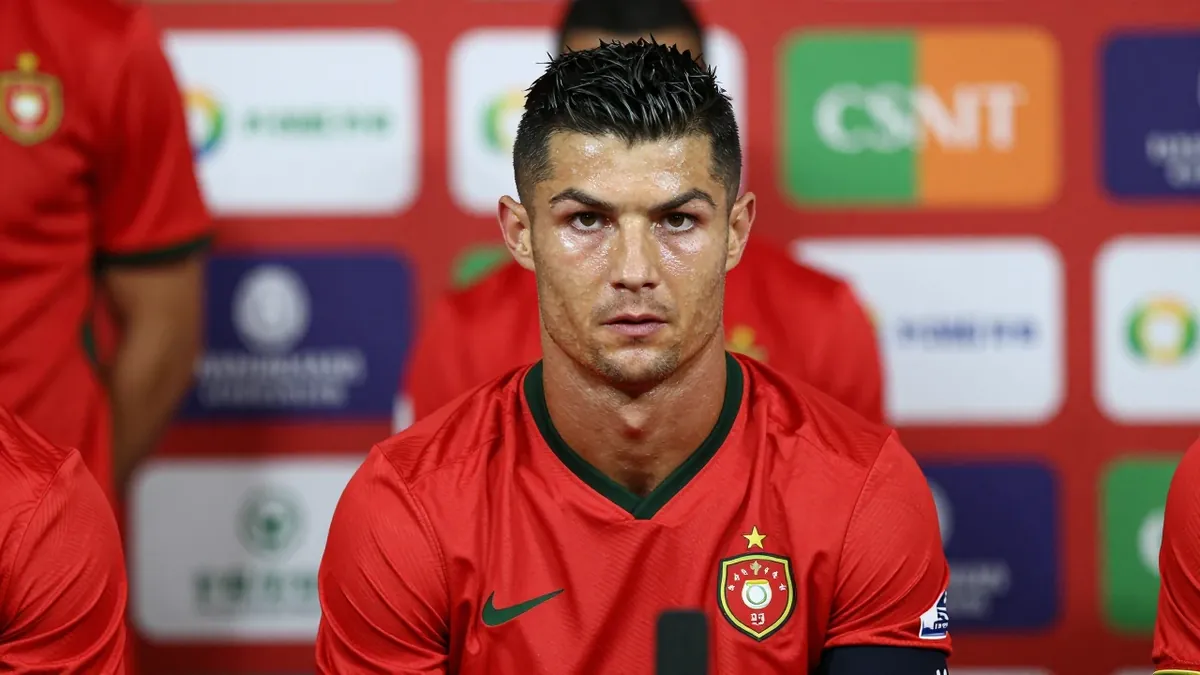
The United States men's national team unveiled its 26-player roster for the 2026 FIFA World Cup this week, setting the stage for a tournament that many believe is critical for soccer's future in the country. The announcement was made at The Rooftop at Pier 17 in New York, where the squad posed for photos ahead of the competition that kicks off on June 11, 2026. The team faces enormous pressure to produce a deep run, with the potential to either cement soccer's growth or stall its momentum for years.
Star players like Christian Pulisic and Weston McKennie headline the selection, which blends European-based experience with domestic league talent. The USMNT is co-hosting the tournament for the second time, having first staged the men's World Cup in 1994. Since that landmark event, American soccer has seen its professional leagues thrive and its players become regular starters for major clubs in Europe's top competitions. This progress, however, has raised expectations to a new level.
Why is this World Cup so important for American soccer?
The 2026 tournament represents a unique opportunity to capture the nation's attention. It is argued that a deep run is necessary to grow the sport's popularity in the United States. Failure to make a significant impact could squander decades of progress. Conversely, success could inspire a new generation of fans and players, potentially even leading to a first men's World Cup title for the USA.
For the casual American sports fan who might own a Lionel Messi jersey from his time at Barcelona, PSG, or Inter Miami, a strong USMNT performance could bridge the gap between international superstars and homegrown heroes. It could transform casual interest in competitions like the UEFA Champions League or the English Premier League into passionate support for the national team. The goal, as articulated by players, is to make people fall in love with the game here.
What did the key players say about the challenge?
Christian Pulisic addressed the team's mindset after the roster was locked in. "For us, there’s no reason to put an exact target of what’s a successful World Cup," Pulisic said. "We’re going to do the best we can, we’re going to compete. We can decide after how we feel about how we did." His comments reflect a focus on process over a specific round target.
Teammate Weston McKennie framed the mission in broader terms. "The people that maybe don’t know a lot about soccer in America, to be able to feel the passion, I hope we can deliver to make people fall in love with the game here," McKennie stated. Their words show the dual burden on this squad: to win matches and to win over hearts. You can view the full selected squad on our squad page.
What must the USMNT do to achieve a deep run?
To meet these heightened expectations, the United States will likely need to pull off at least one major upset against a world soccer powerhouse during the knockout stages. The team's composition, featuring players competing at the highest club levels, is arguably the most talented in the nation's history. This provides a foundation for confidence, but tournament football demands peak performance at the right moment.
The development pathway, from youth programs like Lil' Kickers to the professional ranks, has never been stronger. Players like Tyler Adams, who exemplify the technical and tactical quality now available to the national team coach, are players the American public should know. The entire system is poised for a breakthrough, but it requires the senior team to deliver on the biggest stage. Fans can track the team's preparation and upcoming matches on our fixtures schedule.
How does hosting for a second time change the dynamic?
The infrastructure and fan base have grown exponentially. The United States has made tremendous strides toward becoming a true soccer nation in that period. Now, the team must prove it belongs among the elite by advancing deep into the tournament it is helping to host.
The pressure is immense, but so is the potential reward. A successful campaign would validate the growth of the sport and could trigger an unprecedented surge in participation and interest. The 26 players selected, whose journey began with a photo session in New York, now carry the hopes of a nation eager to see its soccer story reach a thrilling new chapter. The World Cup begins on June 11, 2026, with the USMNT's group stage schedule available on our standings page.