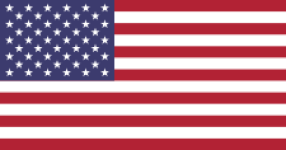

A Symbol of Unity and Identity
The Flag of the United States, often referred to as "The Stars and Stripes," is more than just a piece of fabric; it embodies the nation’s identity and aspirations. With its bold red, white, and blue colors, the flag represents the values of freedom, bravery, and justice. As the U.S. gears up for the FIFA World Cup 2026, understanding the flag's significance deepens our appreciation for not just the game, but the cultural context that surrounds it.
In recent years, the flag has taken on renewed importance in sports, especially in soccer, where it symbolizes unity among diverse groups of fans. The upcoming World Cup, set to take place across the United States, Canada, and Mexico, offers a unique platform to celebrate not only the sport itself but also the rich tapestry of American identity that the flag represents.
Historical Context: The Flag's Evolution
The history of the U.S. flag reflects the nation’s growth and changing identity. Originally adopted in 1777, the flag has undergone multiple transformations as new states joined the Union. Each addition of a star signifies not just a new geographical territory but also the expanding spirit of American democracy.
The last adjustment to the flag occurred in 1960, following the admission of Hawaii. This reflects a pivotal moment in the nation’s history, as it was the first time the flag was modified to include a state from the Pacific region, highlighting the diverse cultural influences that make up the United States today.
- 1777: The original flag is adopted.
- 1818: A new star is added for each state, while the number of stripes remains at 13.
- 1960: The last star is added for Hawaii, resulting in the current 50-star flag.
The Flag and American Soccer: A Growing Connection
As soccer continues to gain popularity in the United States, the flag's presence at games has become more pronounced. It serves as a rallying point for fans, uniting them under a shared identity as they support the national team. During major tournaments, the sight of fans waving the flag at venues like MetLife Stadium or SoFi Stadium evokes a sense of pride and belonging.
The U.S. Men's and Women's National Teams have both leveraged the flag to inspire performances on the pitch. The Women's National Team, for instance, has been a pioneer in advocating for equal pay and rights, often using their platform to draw attention to social issues, with the flag symbolizing both their fight and their unity.
As the FIFA World Cup 2026 approaches, the flag will undoubtedly play a starring role in cultivating national pride and solidarity among fans. The tournament presents a unique opportunity for the U.S. to showcase its rich cultural diversity, encapsulated in the colors and symbols of the flag.
The Flag's Role in Modern Sports Culture
In today’s sports culture, the American flag has taken on multidimensional meanings. It is a symbol of nationalism but also a canvas for protest and social change. Athletes, especially in soccer, have utilized the flag to voice their opinions on critical issues ranging from racial equality to women's rights.
The flag’s presence in stadiums and on merchandise reflects a complex relationship between sports and national identity. As the U.S. prepares to host the World Cup, the flag serves as a reminder of the nation's commitment to inclusivity and progress.
- The flag is a common sight at matches, often featured in fan chants and displays.
- Teams use the flag in promotional materials to emphasize their connection to the country.
- Players often wear the flag on their kits, showcasing pride in representing the nation.
Fan Perspectives: Embracing the Flag's Significance
For soccer fans across the United States, the flag symbolizes more than just allegiance; it embodies a collective memory of sporting achievements and cultural milestones. Supporters often express their feelings through flag-themed merchandise, tattoos, and social media posts, creating a vibrant culture around the symbolism of the flag.
Moreover, the flag plays a significant role during national anthems, where players and fans alike stand in solidarity. This display of respect not only honors the country but also encapsulates the spirit of the game itself, highlighting the importance of camaraderie and competition.
As fans gear up for the FIFA World Cup 2026, the anticipation is palpable. Many see the tournament as an opportunity to bring communities together, transcending racial and cultural divides, all while proudly displaying the flag.
What's Next
As we look forward to the FIFA World Cup 2026, the significance of the U.S. flag in soccer will only continue to grow. With matches anticipated in iconic venues like Gillette Stadium and Hard Rock Stadium, the flag will be a constant reminder of the unity and spirit that soccer fosters across the nation.
The upcoming tournament promises not just thrilling matches but also a celebration of American culture and identity, encapsulated beautifully in the emblem of the Stars and Stripes. As fans prepare to cheer for their teams, the flag will remain a powerful symbol of hope, resilience, and community.