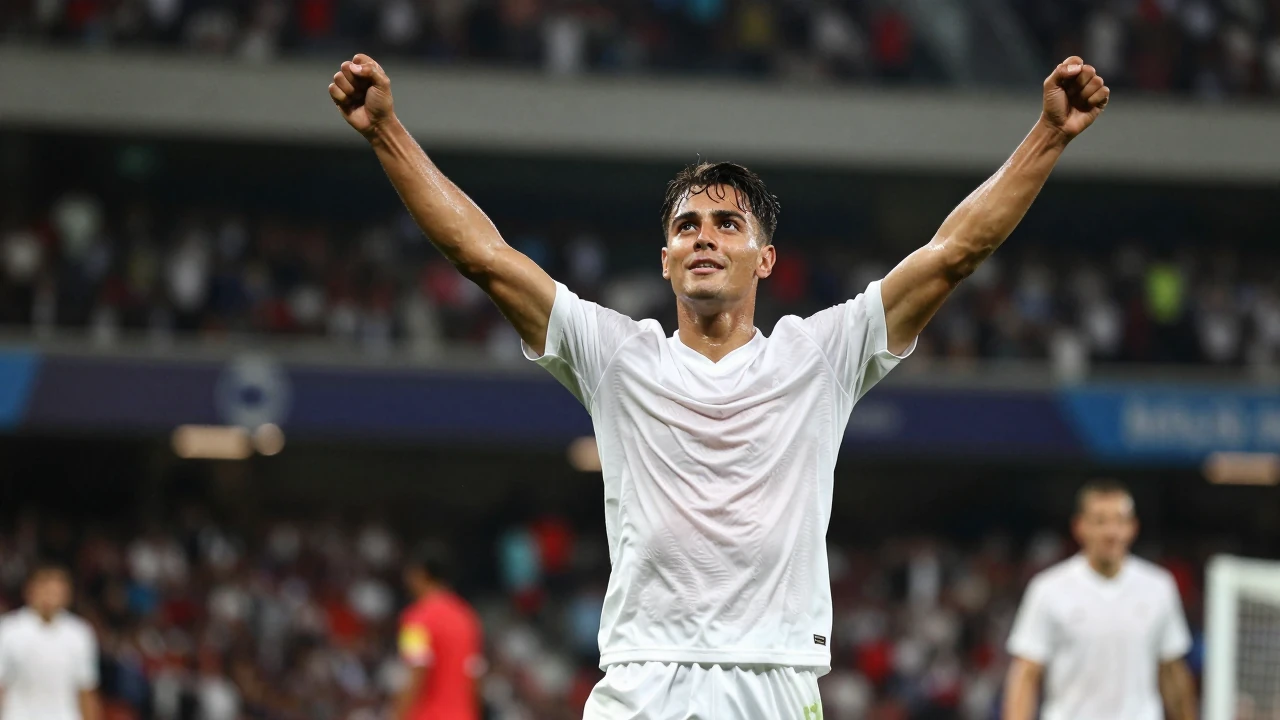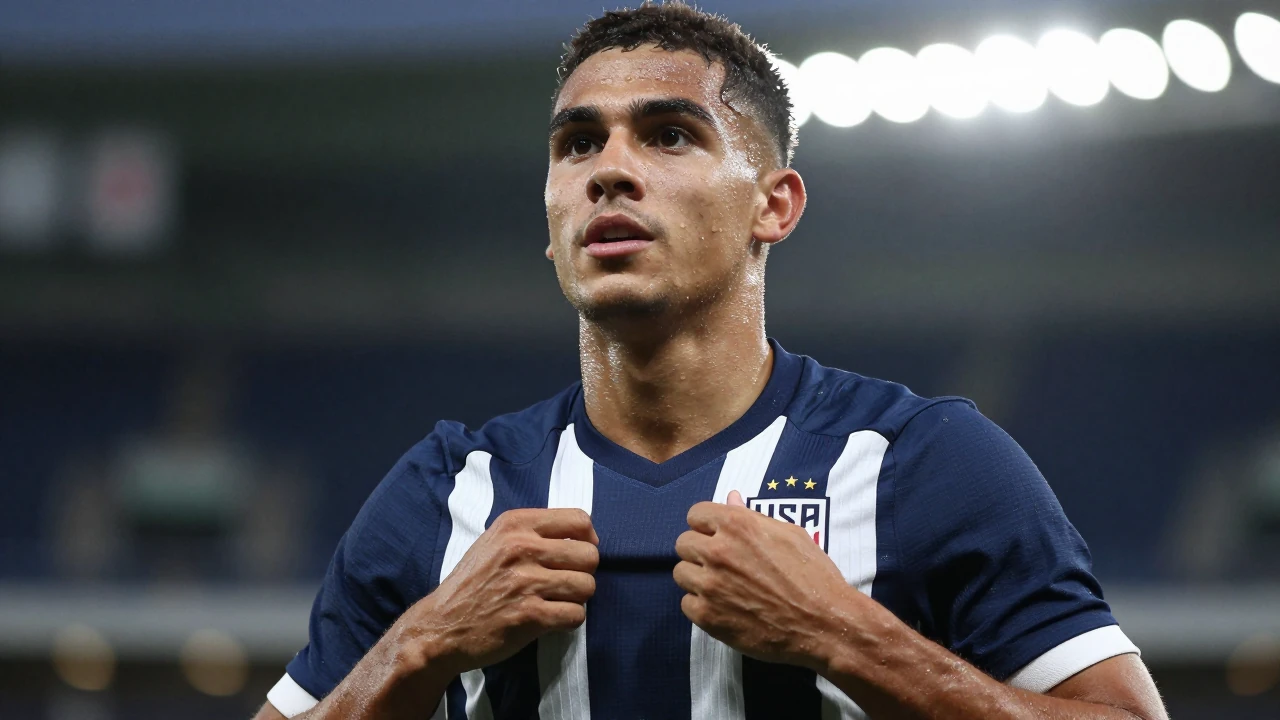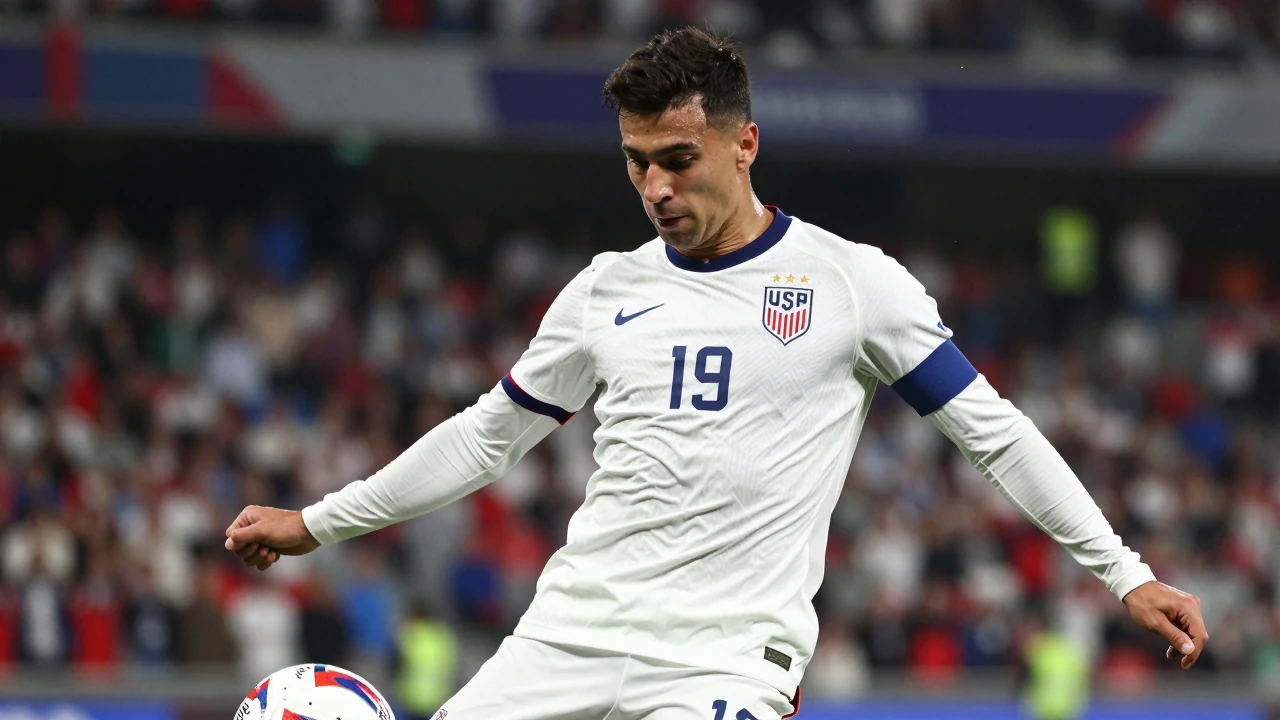
The Royal Belgian Football Association has withdrawn its support for FIFA President Gianni Infantino and demanded official answers over the controversial handling of United States forward Folarin Balogun's suspension during the 2026 World Cup. The RBFA's formal opposition stems from FIFA's decision to allow Balogun to play against Belgium in the round of 16 despite receiving a red card in the previous match.
RBFA president Pascale van Damme stated that two months after the tournament, their questions about the process remain unanswered. The federation has requested the issue be placed on the agenda for the next FIFA Council meeting on October 15. This move adds to growing discontent with FIFA's governance, with UEFA and other confederations also expressing criticism.
What was the controversial decision?
Folarin Balogun was shown a straight red card during the United States' final group stage match. Under standard tournament rules, this would trigger an automatic one-match suspension for the next game. However, FIFA invoked Article 27 of its disciplinary code, which permits the governing body to partially or fully suspend the implementation of a disciplinary measure. This allowed Balogun to start the knockout fixture against Belgium.
The decision was historically rare. Balogun's dismissal was the 189th red card issued at a World Cup, yet he became only the second player ever to avoid serving a subsequent ban, following Brazil's Garrincha in 1962. No other suspensions were lifted during the entire 2026 tournament. The controversy intensified when reports emerged that US political figures, including former President Donald Trump, had directly lobbied FIFA regarding the forward's punishment.
How did the match unfold?
Despite Balogun's presence, Belgium secured a 4-1 victory to eliminate the co-hosts. The United States had qualified from a group that included Portugal and Ghana, finishing second behind the European side. Balogun, who had scored three goals in the tournament prior to the incident, could not prevent his team's exit. The Red Devils progressed to the quarter-finals, where they eventually lost to Spain.
The United States' 2026 World Cup campaign, which you can review in our stats section, ended with this defeat. The team's overall performance showed promise, but the controversy surrounding the suspension cast a shadow over their final match. You can see the full tournament schedule and results on our fixtures page.
What are the consequences for FIFA governance?
The fallout directly impacts the upcoming FIFA presidential election. Infantino recently confirmed he will stand for re-election in March, having held the presidency since 2016. Belgium's formal announcement that they will not support his bid for a new term cites the handling of the Balogun case as a primary reason. Van Damme emphasized the need for transparency and clear processes in world football's governing body.
"Together with UEFA, the other confederations and the national associations, we remain committed to transparency in decision-making, strong governance and clear processes," the RBFA president stated. "We remain open to constructive cooperation, in the interest of the trust, integrity and future of football." The association has formally asked FIFA for a clear justification of the decisions taken and details on how such situations will be handled in the future.
What is the current status of the US team?
Following their World Cup exit, the United States national team is now preparing for the next cycle of competitive matches. The squad, which features a blend of experienced players and emerging talent, is scheduled to regroup for friendlies later this year. The full roster is available on our squad page. The team's next official competitive action will be in the 2027 CONCACAF Gold Cup, with qualification matches beginning in the fall of 2026.