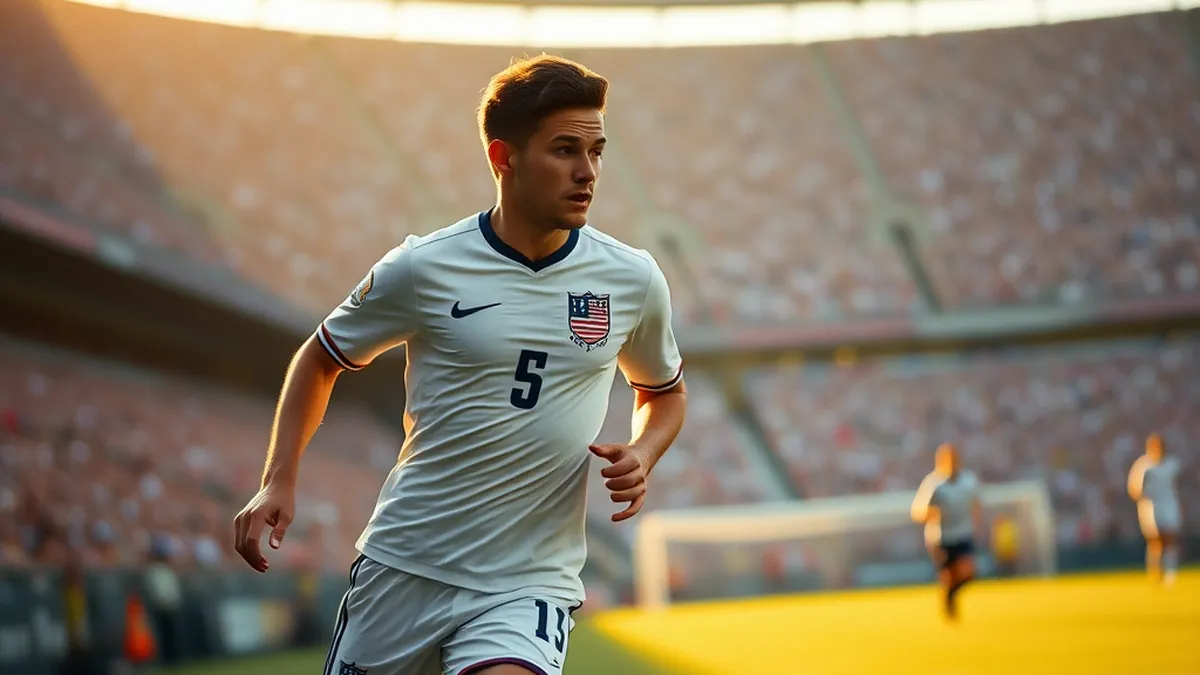
The USMNT has never had a world-class men's soccer star, and the answer to this question boils down to one word: culture. Until the US adopts a more consistent soccer culture, it will always be faced with more challenges than its counterparts around the world. The American youth soccer system sprouted around economic opportunity and competition rather than around the needs or wants of kids who, someday, could become the first true superstar. The system is broken, and it's not just about luck and random chance. Cultures and systems explain why around 80 percent of the top 100 players come from only 10 countries. Lionel Messi, Cristiano Ronaldo, Kylian Mbappé, and Lamine Yamal were all born with supreme talent, but they were also born into cultures where soccer was everywhere. They developed addictions to the ball and played with it whenever and wherever they could. They then progressed to clubs that didn't make them pay exorbitant fees, where they could learn from erudite coaches. They trained with and played against similarly obsessed peers, who pushed them to maximize their natural abilities. They ascended, sharpening themselves against grown men as teens, in Spain, Portugal, then England and France. In other words, they had innate gifts; they also had circumstances that rarely exist in the US. Messi grew up in Rosario, Argentina, and Mbappé in Bondy, a dense suburb of Paris, two cities where soccer courses through daily life. Football is just different for us, Mbappé once wrote. It is essential. It is every day.
National Team
USMNT's Lack of World-Class Stars: A Cultural Issue
USMNT struggles to produce world-class players due to a lack of soccer culture, creating handicaps that no amount of money or coaching education can fully unwind.