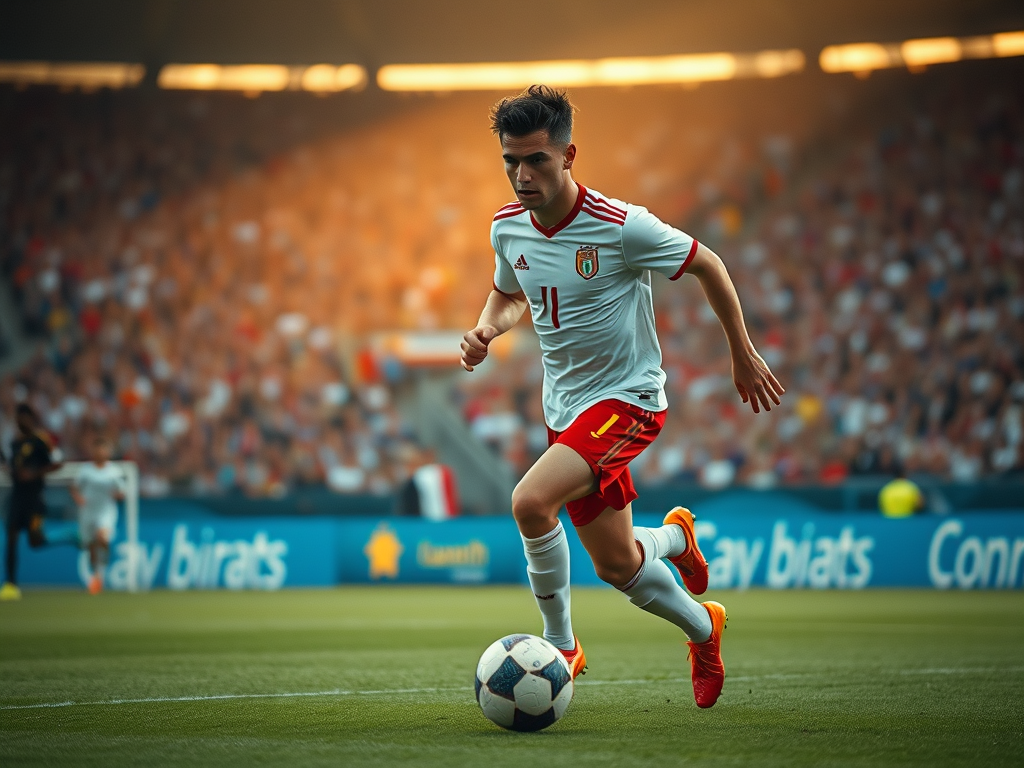

The Ivy League isn't just about elite academics; it plays a pivotal role in shaping the culture of soccer in the United States. With its storied institutions cultivating talent both on and off the pitch, the Ivy League stands as a unique intersection of education and athletics, particularly in the realm of soccer. This article delves into how these prestigious universities influence the landscape of American soccer while maintaining their commitment to academic excellence.
The Ivy League: A Brief Overview
The Ivy League is a group of eight private colleges and universities located in the northeastern United States, known for their rigorous admissions standards and historical significance. The member institutions are Harvard University, Yale University, Princeton University, Columbia University, University of Pennsylvania, Dartmouth College, Brown University, and Cornell University. Founded in the 1950s, the Ivy League has become synonymous with academic prestige, producing numerous leaders in various fields.
While these schools are primarily recognized for their academic achievements, their athletic programs, particularly soccer, have also garnered attention. The Ivy League has consistently produced talented players who have made their mark in professional leagues and international competitions. The emphasis on both sports and academics creates a unique environment that benefits student-athletes.
Ivy League Soccer: Tradition Meets Competition
Ivy League soccer isn't just a stepping stone to professional leagues; it's a competitive environment that fosters growth. The league features a round-robin format where each team plays the others, culminating in a tightly contested championship. The 2021 men's soccer season, for instance, saw Princeton and Cornell battling it out for the top spot, showcasing the high level of talent across the league.
The focus on skill development is evident in the coaching staff at these institutions. Coaches not only emphasize athletic performance but also the importance of education. Many Ivy League coaches have extensive playing and coaching experience, providing athletes with invaluable insights. This dual emphasis on academics and athletics prepares players for success both on the field and in their future careers.
The Role of Ivy League Alumni in Soccer
Ivy League alumni have had a significant impact on American soccer, both as players and in administrative roles. Players like Cory Gibbs, a former Princeton standout, have transitioned into coaching and mentorship roles, guiding the next generation. Alumni networks also play a crucial role in the development of soccer in the U.S., from funding youth programs to serving on boards of major soccer organizations.
- Cory Gibbs (Princeton) - Former U.S. Men's National Team player
- Ali Krieger (West Virginia) - Influential figure in women's soccer
- Christian Pulisic (Duke) - Emerging talent in the U.S. soccer scene
The influence of Ivy League alumni extends beyond the field. Many have taken leadership positions within MLS teams and U.S. Soccer, shaping policies that impact the sport's growth. Their experiences as student-athletes equip them with a unique perspective on the challenges faced by young players today.
What this means for the United States
The connection between Ivy League institutions and soccer has broader implications for the United States. As more student-athletes choose Ivy League schools, the perception of soccer as a viable sport for serious athletes is changing. The emphasis on academics and athletics helps to dismantle the stereotype that soccer is less prestigious compared to other sports.
Fans are beginning to recognize the value of a well-rounded athlete. Universities like Yale and Harvard are not just breeding grounds for future leaders but also for future soccer stars. This shift in perspective can lead to increased investment in youth soccer programs, nurturing talent from a young age and ensuring a pipeline of skilled players ready to compete at higher levels.
The Future of Ivy League Soccer
Looking ahead, the future of Ivy League soccer appears promising. With increasing investment in sports programs and infrastructure, these institutions are positioning themselves as key players in the development of soccer culture in the U.S. The ongoing focus on blending education with athletics could lead to even more talented players emerging from the Ivy League.
The recent surge in interest in soccer among young athletes further strengthens this position. With the FIFA World Cup 2026 set to take place across the United States, the spotlight on American soccer will only grow. Ivy League institutions are likely to play a crucial role in nurturing the next generation of talent that will represent the U.S. on the world stage.
Fan Reaction and Outlook
Fan reaction to Ivy League soccer has been increasingly positive. Supporters of college soccer appreciate the blend of competition and education, often attending matches to witness the development of future stars. The commitment to academic excellence resonates with fans who value the holistic development of players.
- Ivy League games attract a diverse audience, from students to local communities.
- Increased media coverage of college soccer highlights the talent pool.
- The rise of soccer-specific facilities on campuses enhances the fan experience.
As the sport continues to grow, there's a palpable excitement among fans about the potential for Ivy League players to make their mark in professional ranks. The narrative is shifting, and with it, the landscape of American soccer is evolving.
What's next
The trajectory of Ivy League soccer suggests a bright future not only for the institutions but for the sport in the United States as a whole. As more young athletes aspire to play soccer at elite levels while pursuing their education, Ivy League schools will likely become even more competitive in attracting top talent.
For fans of American soccer, this is a pivotal moment. The convergence of academic excellence and athletic prowess in the Ivy League could very well lead to a renaissance in the sport, fostering a generation of players ready to excel both in the classroom and on the pitch.