 United States Hub
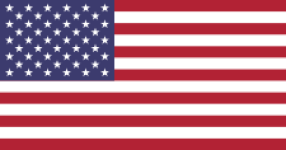
The flag of the United States, often referred to as The Stars and Stripes, is more than just a piece of fabric; it symbolizes the nation’s evolution, resilience, and unity. As the country expanded from a mere 13 states to a robust 50, the flag itself underwent significant changes, each alteration marking a new chapter in American history. This article explores the various iterations of the flag, the meaning behind its design elements, and what these changes signify for American identity today.
The Early Years: A New Nation's Identity
The story of the United States flag begins on June 14, 1777, when the Continental Congress adopted the first official flag. This flag featured 13 alternating red and white stripes, representing the original colonies, and a blue field adorned with 13 stars. The design was crafted as a symbol of unity and independence, emerging from the Revolutionary War.
- Key Features of the Original Flag:
- 13 horizontal stripes
- 13 white stars on a blue field
- Colors representing valor (red), purity (white), and vigilance (blue)
The first official flag was raised over the nation’s military posts and became a rallying point for soldiers. As the nation grew, so did the need for the flag to reflect its expanding identity.
Changes Through Expansion: From 13 to 50 Stars
Between 1777 and 1960, the flag underwent a series of changes, with the number of stars increasing to reflect the admission of new states into the Union. Each new star symbolized the growth of the nation and the incorporation of diverse cultures and communities.
The most notable transformations include: - 1795: Two additional stars were added for Kentucky and Vermont, resulting in a 15-star flag, which lasted until 1818. - 1818: Congress established the rule that the flag would have 13 stripes and a star for each state, leading to the flag's current format. - 1912: The design was standardized, and the stars were arranged in rows of five. - 1960: The last star was added for Hawaii, marking the current 50-star flag.
Each revision not only documented historical milestones but also symbolized the American ethos of adaptability and inclusiveness.
Symbolism of the Colors and Shapes
The colors and shapes of the flag carry deep meanings that resonate with the American people. Understanding these can provide insight into the national psyche. The red, white, and blue of the flag are imbued with significant symbolism:
- Red: Represents valor and bravery; a nod to the sacrifices made by those who fought for freedom.
- White: Signifies purity and innocence, reflecting the nation's idealistic beginnings.
- Blue: Denotes vigilance and perseverance, traits essential for overcoming challenges.
The stars and stripes themselves are not mere decorative elements; they represent the unity of the states and the commitment to maintaining a cohesive national identity. The flag serves as a reminder of the values that unite Americans, regardless of their backgrounds.
The Flag in Modern Context: A Unifying Force
In contemporary America, the flag continues to be a powerful symbol of national pride, especially as the nation prepares for the FIFA World Cup 2026. The United States will host this prestigious event alongside Canada and Mexico, showcasing the flag not only as a representation of the country but as a beacon of hope and unity in the global arena.
As Americans come together to support their national team, the flag will fly high at stadiums, homes, and businesses, signifying a collective identity. The upcoming tournament offers a platform for the flag to once again reflect the diversity and spirit of the nation, uniting fans across various backgrounds.
National Pride: The Flag’s Role in American Sports
The role of the flag in American sports cannot be overstated. Athletes, fans, and communities rally around it, creating a sense of belonging and pride. Every game, especially on the international stage, serves as an opportunity to honor the flag and what it represents.
- Key Events Featuring the Flag:
- The Super Bowl: A showcase of American culture, where the flag often takes center stage during the national anthem.
- Olympic Games: Athletes don the flag with pride, representing their country on the global stage.
- FIFA World Cup: Anticipation builds as the national team competes, with the flag uniting fans in support.
The flag acts as a reminder of shared values and the sacrifices made to preserve those values. It stands as a symbol of hope, resilience, and, most importantly, unity among Americans.
What's Next: Preparing for the Future
As the United States prepares to host the FIFA World Cup 2026, the flag will undoubtedly play a pivotal role in creating an atmosphere of national pride and celebration. The event will not only highlight the country’s love for soccer but also provide an opportunity to reflect on the values the flag embodies.
Looking ahead, the evolution of the flag will continue to inspire future generations. Its story serves as a reminder of the nation's journey, the struggles faced, and the victories celebrated. As each new chapter unfolds in American history, the flag will remain a steadfast symbol of unity, resilience, and hope for all citizens.
In conclusion, the United States flag is not just a symbol of the country’s identity; it is a living testament to its history, values, and aspirations. As Americans, we should cherish this emblem and recognize its significance in both our past and future endeavors.


