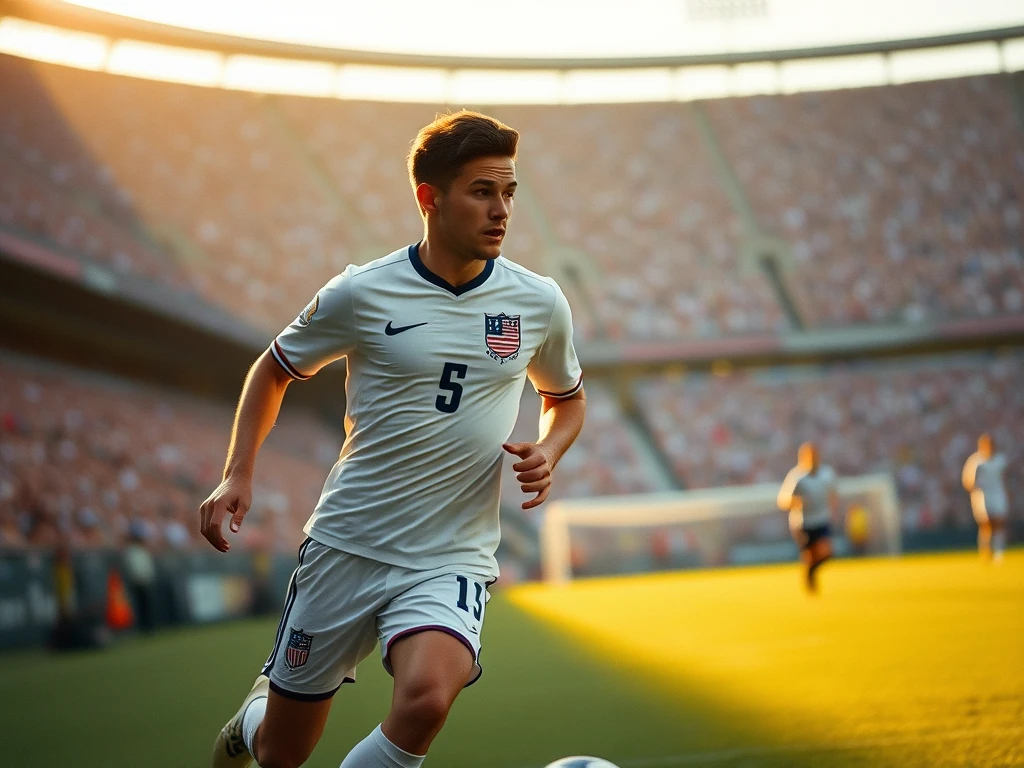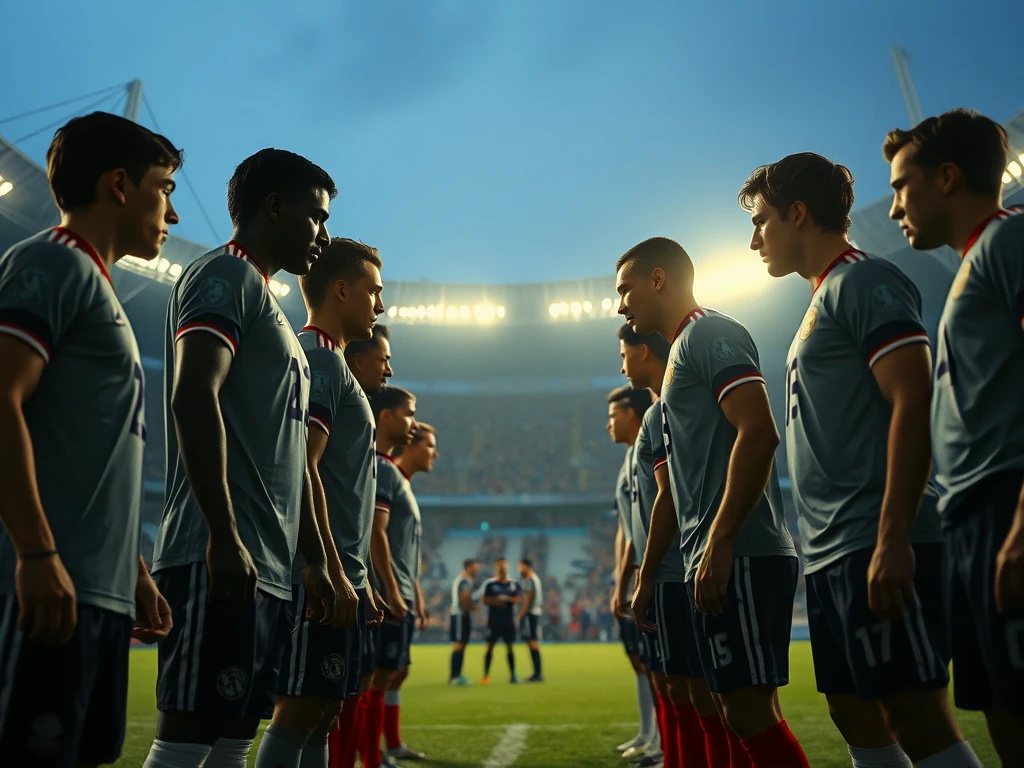

The 2006 FIFA World Cup, held in Germany, marked a significant chapter in the history of the United States Men's National Team (USMNT). Entering the tournament with high hopes after the successful qualification campaign, the team faced a daunting challenge in a group that included Italy, Ghana, and the Czech Republic. This moment in time serves as a reminder of the resilience and determination that defines the Stars and Stripes, even in the face of adversity.
The team was managed by Bruce Arena, who had previously led the USMNT to the knockout stages in 2002. Expectations were high, as fans believed the squad had the talent to advance past the group stage. The roster featured a mix of seasoned veterans and rising stars, including Landon Donovan, Clint Dempsey, and Tim Howard. However, the opening match against the Czech Republic turned into a nightmare, as the U.S. suffered a 3-0 defeat, leaving fans and players alike reeling.
In their second match, the Stars and Stripes faced Italy, the reigning world champions. This match was seen as a chance for redemption, and the U.S. displayed extraordinary grit and determination. Despite being reduced to ten men after a controversial red card given to Pablo Mastroeni, the American side managed to earn a hard-fought 1-1 draw. This performance showcased the resilience and fighting spirit that fans had come to admire in their national team.
The final group match against Ghana was a must-win situation for the U.S. to have any hope of progressing. However, the Stars and Stripes fell short once again, losing 2-1 and ultimately finishing at the bottom of their group. The disappointment of exiting the tournament early was palpable, but the experience gained during the World Cup proved invaluable for the future of U.S. soccer.
Despite the early exit, the 2006 World Cup laid the groundwork for future successes. It served as a wake-up call for American soccer, highlighting areas that needed improvement, particularly in skill development and tactical awareness. The lessons learned during this tournament would shape the next generation of players and coaches, leading to notable advancements in U.S. soccer.
In the years that followed, the U.S. invested heavily in youth development programs, domestic leagues, and coaching education. This focus on building a strong foundation paid off, as evidenced by the increased competitiveness of the USMNT in subsequent tournaments, culminating in a historic run in the 2014 World Cup and a growing presence on the global soccer stage.
As the Stars and Stripes prepare for the 2026 World Cup, it is crucial to remember the lessons learned from the 2006 tournament. Resilience, determination, and the willingness to learn from setbacks are essential qualities that will carry the team forward. The journey from disappointment to success is a testament to the growth of U.S. soccer, and the spirit of the Stars and Stripes will undoubtedly shine bright on the world stage once again.