 United States Hub
The 1995 Copa America: A Historic Debut for the Stars and Stripes
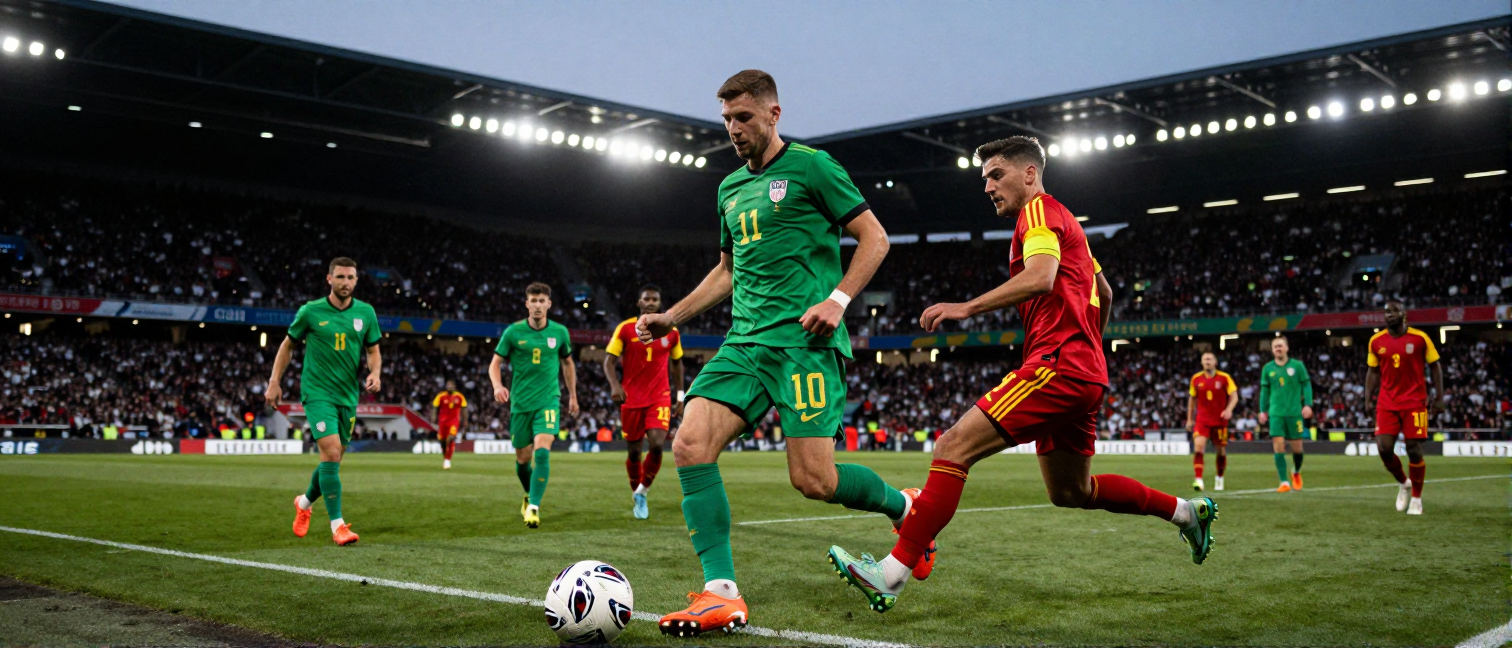
In the summer of 1995, the United States Men's National Soccer Team embarked on a journey that would forever change the landscape of American soccer. Competing in the Copa America, the oldest international soccer tournament in the world, the Stars and Stripes were not merely participants; they were pioneers. This marked the first time the U.S. had been invited to join South America's elite in the tournament, a bold move that spoke to the growing recognition of soccer's potential in the U.S.
Held in Uruguay, the 1995 Copa America was a formidable challenge for the Stars and Stripes. The tournament featured powerhouse teams like Brazil, Argentina, and Uruguay, all of whom had rich histories and a deep-seated passion for the sport. The U.S. squad, under the guidance of head coach Steve Sampson, was a mix of seasoned professionals and emerging talents, creating a unique blend that would test the limits of American soccer.
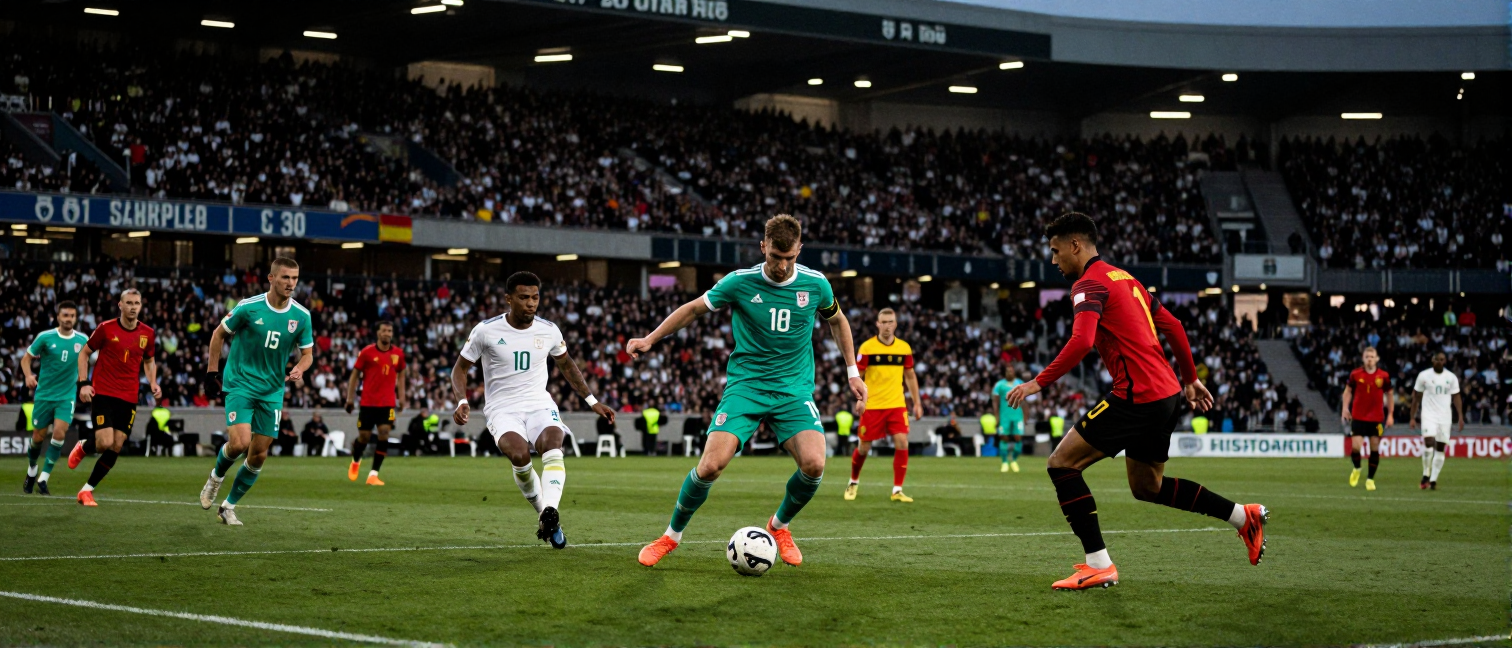
The Stars and Stripes were drawn into Group B alongside Argentina, Bolivia, and Jamaica. Their opening match against Argentina was a baptism by fire. Despite facing a formidable opponent and ultimately falling to a 4-0 defeat, the match served as a valuable experience for a team still carving out its identity on the international stage. The performance of young stars like Brian McBride and goalkeeper Kasey Keller hinted at the potential that lay within the squad.
In their second match, the U.S. faced Bolivia, where they managed to secure a hard-fought 1-0 victory thanks to a goal from Eric Wynalda. This win not only provided a much-needed boost in confidence but also highlighted the competitive spirit of the team. The victory against Bolivia showcased the growing football culture in the U.S., proving that the Stars and Stripes could hold their own against South American teams.
The tournament continued to be an eye-opening experience for the U.S. players. In their final group match against Jamaica, the Stars and Stripes played to a 0-0 draw, earning them a spot in the quarterfinals. The progression to the knockout stage was a historic achievement, signaling that the U.S. was ready to compete on the global scale.
Although the Stars and Stripes eventually bowed out in the quarterfinals against Brazil, losing 1-0, the impact of the 1995 Copa America reverberated throughout the soccer community. The tournament not only showcased the U.S. team’s resilience but also galvanized interest in soccer across the nation. It served as a precursor to the 1996 Olympic games, where the U.S. would once again aim to make a mark on the world stage.
Looking back, the 1995 Copa America was more than just a tournament; it was a turning point in U.S. soccer history. It laid the groundwork for future generations of players and fans alike, fostering a culture of soccer that has continued to grow over the decades. As the Stars and Stripes prepare for the 2026 FIFA World Cup, the echoes of that historic summer remind us of the journey that has shaped American soccer into what it is today.