
The 1994 World Cup: A Cultural Awakening for U.S. Soccer
When the United States was awarded the hosting rights for the 1994 FIFA World Cup, it marked a watershed moment for soccer in a nation where the sport had long played second fiddle to more established pastimes like American football and basketball. As the tournament unfolded, it not only provided a stage for global soccer superstars but also sparked a cultural renaissance that would forever change the landscape of the sport in the U.S.
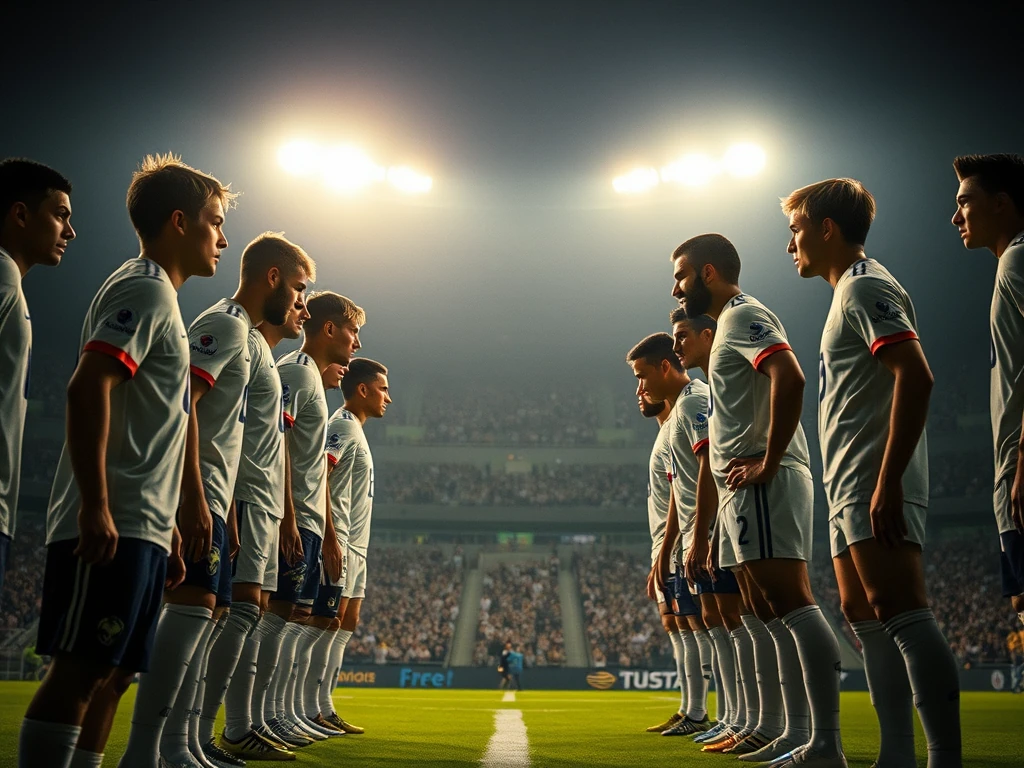
The tournament kicked off with a palpable sense of excitement, drawing millions of fans both in stadiums and in front of television screens. The opening match, held at the historic Cotton Bowl in Dallas, featured Germany triumphing over Bolivia, but it was the subsequent matches that truly began to capture the American imagination. The matches were broadcast in prime time, allowing soccer to penetrate the mainstream consciousness in a way that had never been seen before.
One of the most memorable moments came during the quarterfinals, where the U.S. faced off against the mighty Brazilian team. Though the Stars and Stripes fell to a narrow 1-0 defeat, the match showcased the competitive spirit and skill of American players, igniting a sense of national pride that resonated deeply with fans. The likes of goalkeeper Tony Meola and midfielder Eric Wynalda became household names, inspiring a generation of young players to take up the sport.
Beyond the field, the tournament had a profound impact on American culture. The World Cup was not just a sports event; it was a festival of culture, bringing together diverse communities and celebrating the melting pot that America represents. Cities across the nation embraced the tournament with street parties, community watch events, and public celebrations, creating a sense of unity that transcended ethnic and social divides. Soccer became a form of connection, a way for people to bond over a shared love of the game.
The legacy of the 1994 World Cup extended well beyond the final whistle. It laid the groundwork for the establishment of Major League Soccer (MLS) in 1996, which sought to capitalize on the newfound interest in the sport. The success of the tournament proved that soccer could thrive in America, and it prompted the development of youth programs and academies across the nation.
In the years that followed, the U.S. women's national team also began to gain prominence, culminating in their iconic victory at the 1999 Women's World Cup, further cementing soccer's place in American culture. The 1994 World Cup had opened the door, and the Stars and Stripes were ready to charge through, embracing the sport with an enthusiasm that continues to grow.
As we approach the 2026 World Cup, which will see matches hosted across the United States, Canada, and Mexico, it's essential to remember the transformative power of that 1994 tournament. It was more than just a series of matches; it was a cultural awakening, a celebration of diversity, and a testament to the unifying power of soccer. The Stars and Stripes are poised to carry forward this legacy, building on the foundation laid nearly three decades ago, as they aim for glory on the global stage.