 United States Hub
The United States men's national soccer team, known as the Stars and Stripes, has shown promising potential in recent matches, but inconsistencies have surfaced that could hinder their World Cup ambitions. With the 2026 FIFA World Cup approaching, it is essential to analyze the tactical framework employed by head coach Mauricio Pochettino and identify specific tweaks that could enhance the team's performance.
Recent Form Analysis
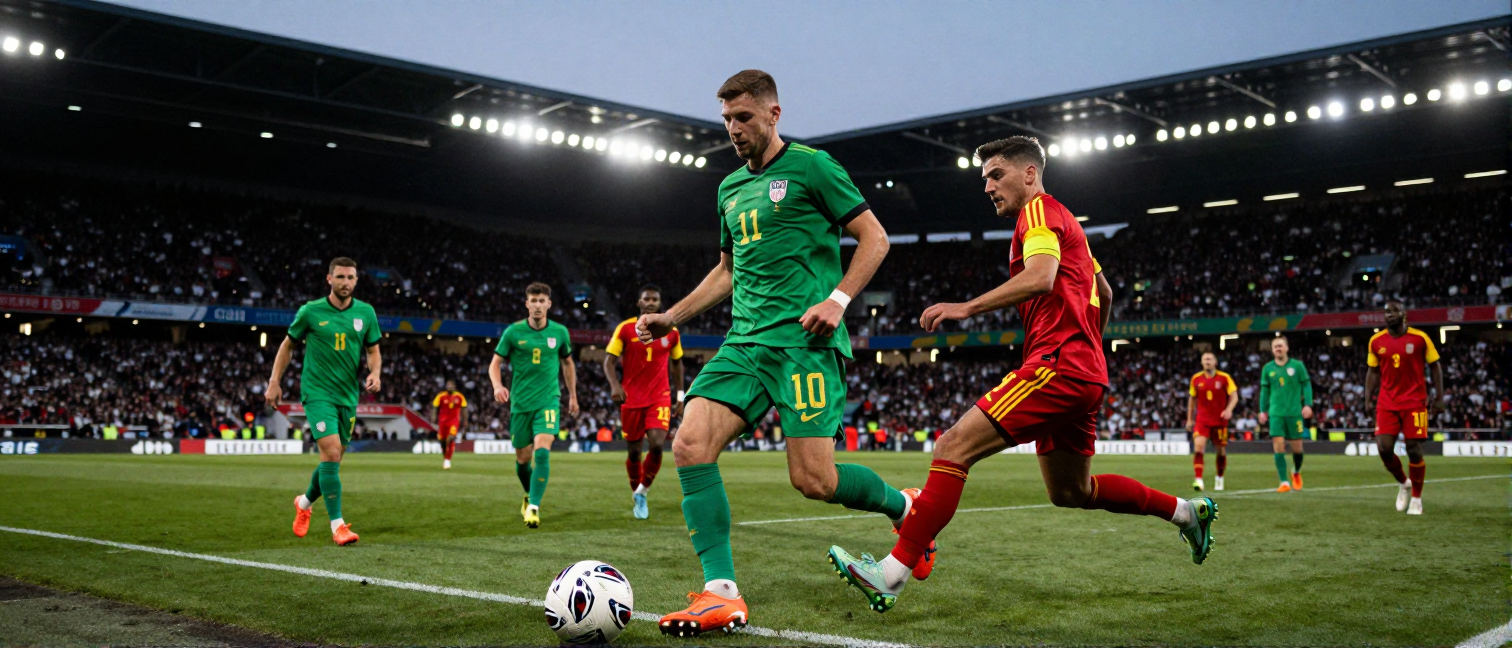
In their recent outings, the Stars and Stripes have demonstrated a fluid attacking style, leveraging the pace of forwards like Christian Pulisic and Gio Reyna to break down defenses. However, there have been moments where the final third execution has lacked precision, often resulting in squandered opportunities. In addition, while the defense has shown resilience, lapses in concentration have occasionally led to conceding preventable goals.
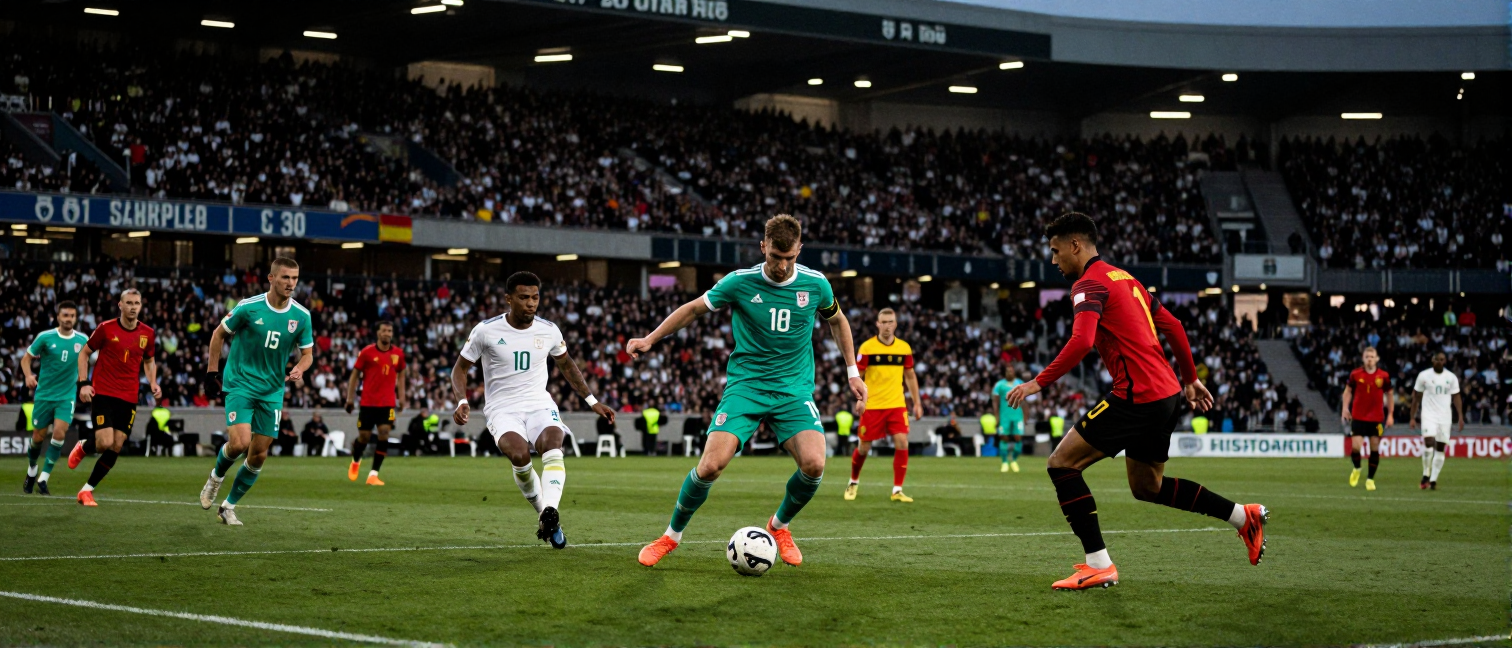
One tactical approach that has emerged is a more dynamic midfield setup, allowing for quick transitions between defense and attack. Weston McKennie and Tyler Adams have been pivotal in this regard, but the team can benefit from a more fluid interchange between midfielders to create better passing lanes and maintain possession. Integrating a third midfielder could help in maintaining control against teams that press high.
Suggested Tweaks
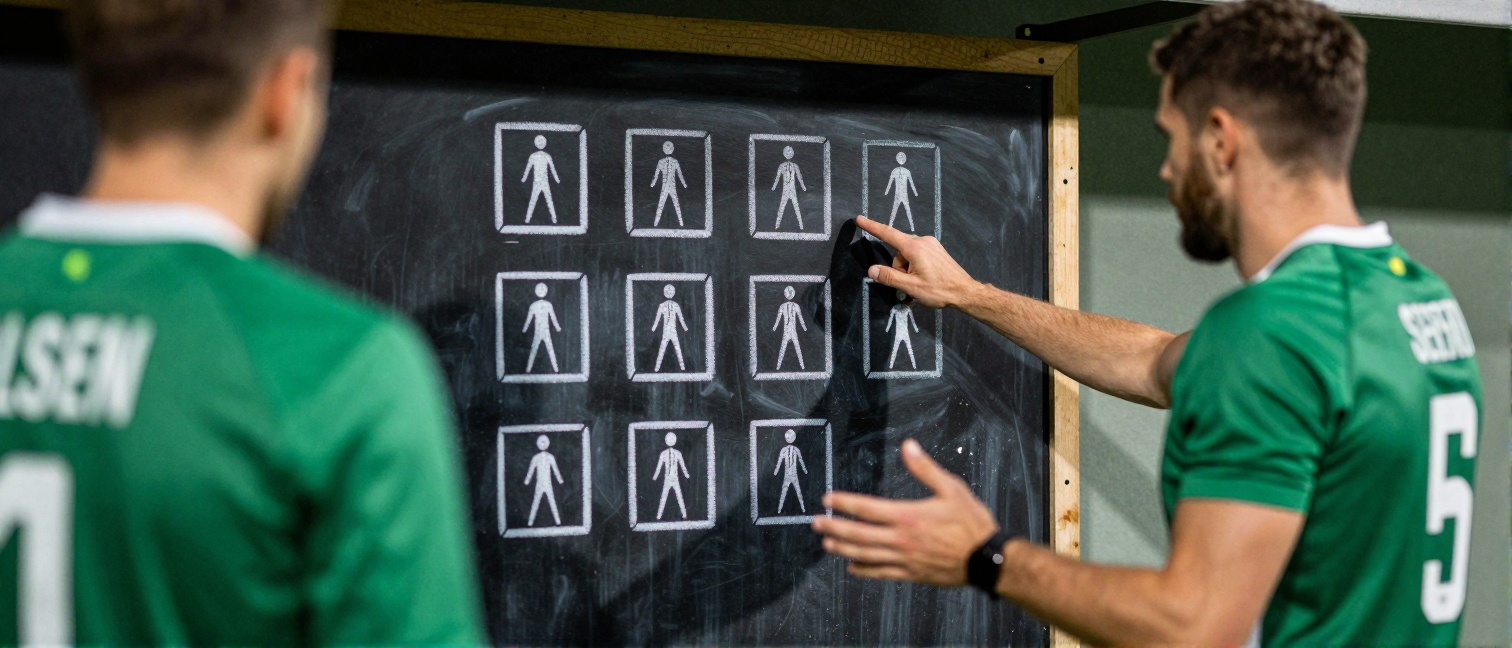
1. Formation Shift: While the current 4-3-3 formation has its merits, experimenting with a 4-2-3-1 could provide more stability in midfield. This formation allows for an additional playmaker in front of the double pivot, which can facilitate more creative plays and quick link-up between the midfield and attack. With players like Reyna and Pulisic operating in the half-spaces, this could stretch defenses and open up goal-scoring opportunities.
2. Pressing Adjustments: The Stars and Stripes have shown a willingness to press opponents, but a more coordinated approach could yield better results. Implementing a zonal pressing system would allow players to anticipate passes and cut off passing lanes, forcing turnovers in advantageous areas of the pitch. This would capitalize on the pace of the forwards and allow for quick counter-attacks.
3. Defensive Cohesion: Enhancing defensive communication is crucial. The center-back pairing of Walker Zimmerman and Chris Richards has shown potential, but they need to develop better chemistry, particularly in high-pressure situations. Incorporating a more proactive approach to defensive positioning can help mitigate the risks associated with counter-attacks from opposing teams.
4. Utilizing Wingbacks: The full-backs, such as Sergiño Dest and Antonee Robinson, have significant attacking capabilities. Encouraging them to overlap and provide width can stretch defenses, which is essential for creating space in the middle. By allowing them to push forward more frequently, the Stars and Stripes can exploit one-on-one situations on the flanks and create scoring opportunities.
Conclusion
As the Stars and Stripes prepare for the 2026 FIFA World Cup, refining their tactical approach will be critical to their success. By implementing these suggested tweaks, the team can enhance their overall cohesion, capitalize on their attacking talents, and solidify their defensive structure. With the right adjustments, the United States can emerge as a formidable contender on the world stage.