 United States Hub
Tactical Insights: Optimizing the Stars and Stripes for 2026 Success
As the United States men’s national soccer team prepares for the upcoming 2026 World Cup, their recent form offers both promise and challenges. The Stars and Stripes have shown flashes of brilliance in their play, but consistency and tactical coherence will be key to thriving in one of the most prestigious tournaments in football. An in-depth analysis of their recent matches highlights areas for potential enhancement that could bolster their chances of success.
Formation Flexibility
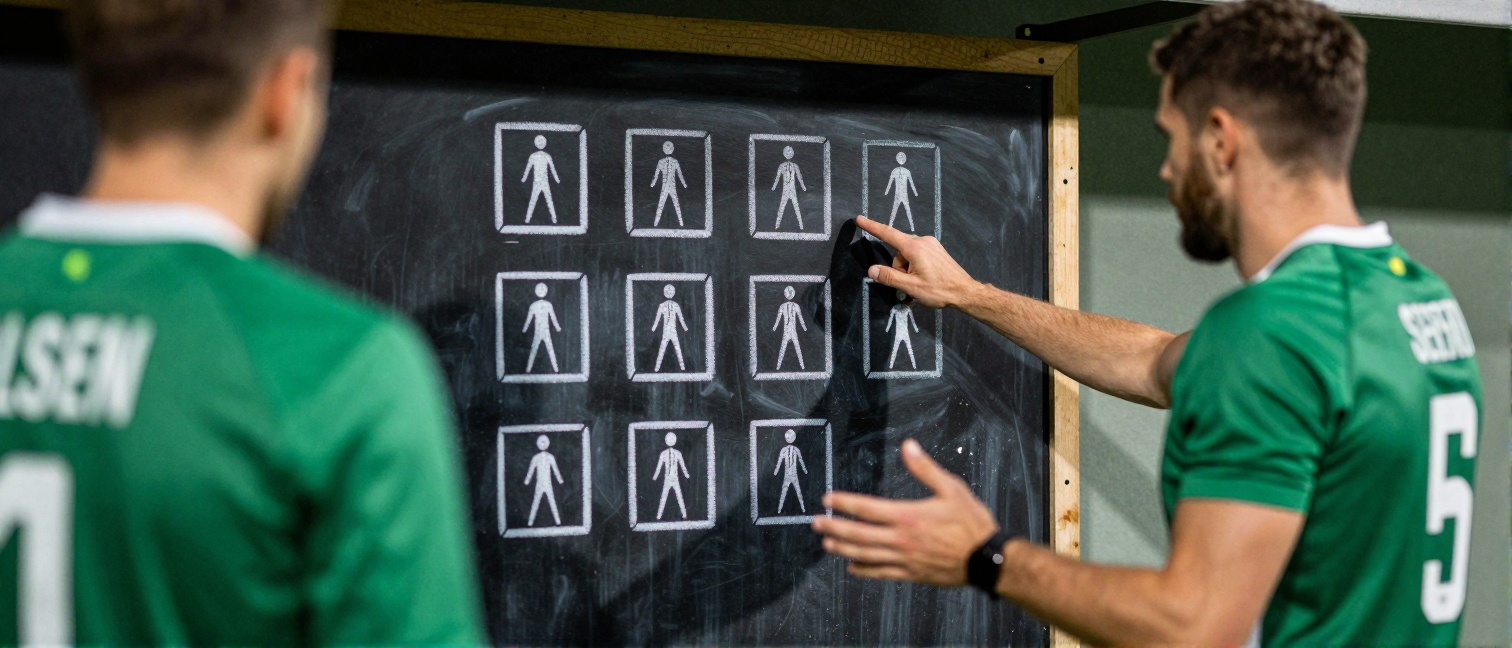
The U.S. has often lined up in a 4-3-3 formation, which allows for attacking width and midfield control. However, recent matches indicate that this formation may not fully leverage the strengths of all available players. A more flexible approach, such as transitioning to a 4-2-3-1 or even a 3-5-2 in certain matches, could provide better defensive stability while maximizing attacking options. Utilizing a double pivot in midfield can help in both defensive duties and facilitating transitions, allowing players like Weston McKennie and Tyler Adams to dictate the tempo and provide support to both the defense and attack.
Exploiting Width
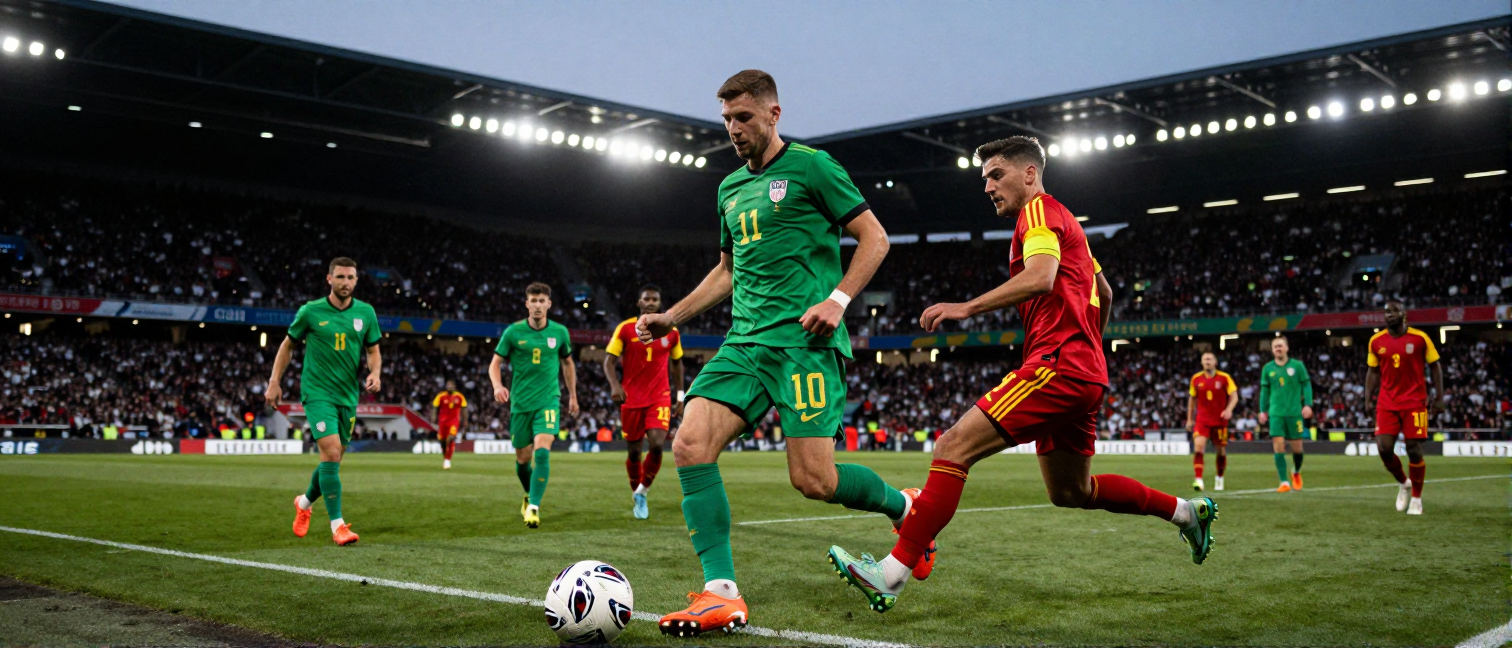
The U.S. has talented wingers who can stretch defenses, yet there have been instances where the team has become too centralized in their attacking approach. Relying more on width to draw defenders out of position could create more space for central players like Gio Reyna and Christian Pulisic to operate. By encouraging full-backs to push higher up the pitch to provide overlapping runs, the Stars and Stripes can create more dynamic attacking patterns, forcing opponents to defend across a wider area.
High Pressing and Counter-Pressing
In recent friendlies, the U.S. has shown moments of effective high pressing but often struggles to maintain this intensity throughout the match. A more structured pressing strategy could yield better results. Implementing a clear pressing trigger—like a poor touch from a defender or a back pass—could help the team regain possession higher up the pitch. Additionally, enhancing counter-pressing tactics immediately after losing the ball will be vital in disrupting opponents and seizing opportunities before they can regroup.
Defensive Cohesion
Defensively, the Stars and Stripes have shown resilience, yet lapses in concentration at crucial moments have led to conceding avoidable goals. Strengthening communication among the backline and establishing a more cohesive defensive unit is paramount. Encouraging center-backs to engage in more proactive communication, along with clear roles during set pieces, can minimize these lapses. Moreover, integrating a defensive midfielder who can patrol the space in front of the back four will not only shield the defense but also facilitate smoother transitions into attack.
Tactical Substitutions
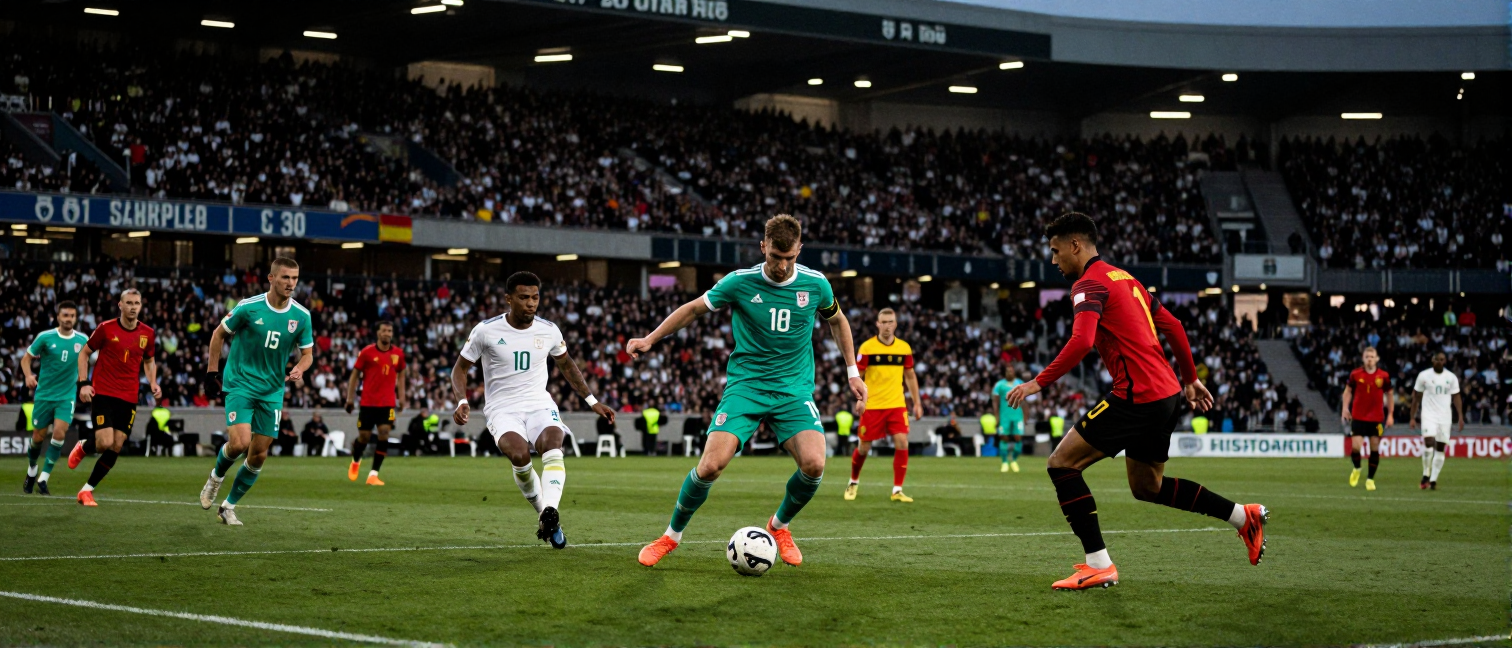
Finally, the approach to substitutions could be revisited. In the heat of a match, it’s crucial to introduce players who can change the dynamics of the game. This means not just bringing on fresh legs but also tactical substitutes who can either shore up the defense when leading or inject creativity and pace into the attack when chasing a game. By having a clear plan for substitutions based on the match situation, the coaching staff can maximize their squad's potential.
Conclusion
As the United States men's national team gears up for the 2026 World Cup, implementing these tactical tweaks could make a significant difference in their performance. The combination of a flexible formation, exploitation of width, structured pressing, improved defensive cohesion, and strategic substitutions will enhance their overall gameplay. With the right adjustments, the Stars and Stripes could not only make a deep run in the tournament but also establish themselves as a formidable force in international football.