 United States Hub
Understanding Recent Form
The United States men's national soccer team, known affectionately as the Stars and Stripes, has shown flashes of brilliance in recent matches, showcasing a blend of youth and experience. However, as they prepare for the grand stage of the 2026 FIFA World Cup, it is essential to analyze their tactical shape and recent performances to identify potential adjustments that could elevate their game.
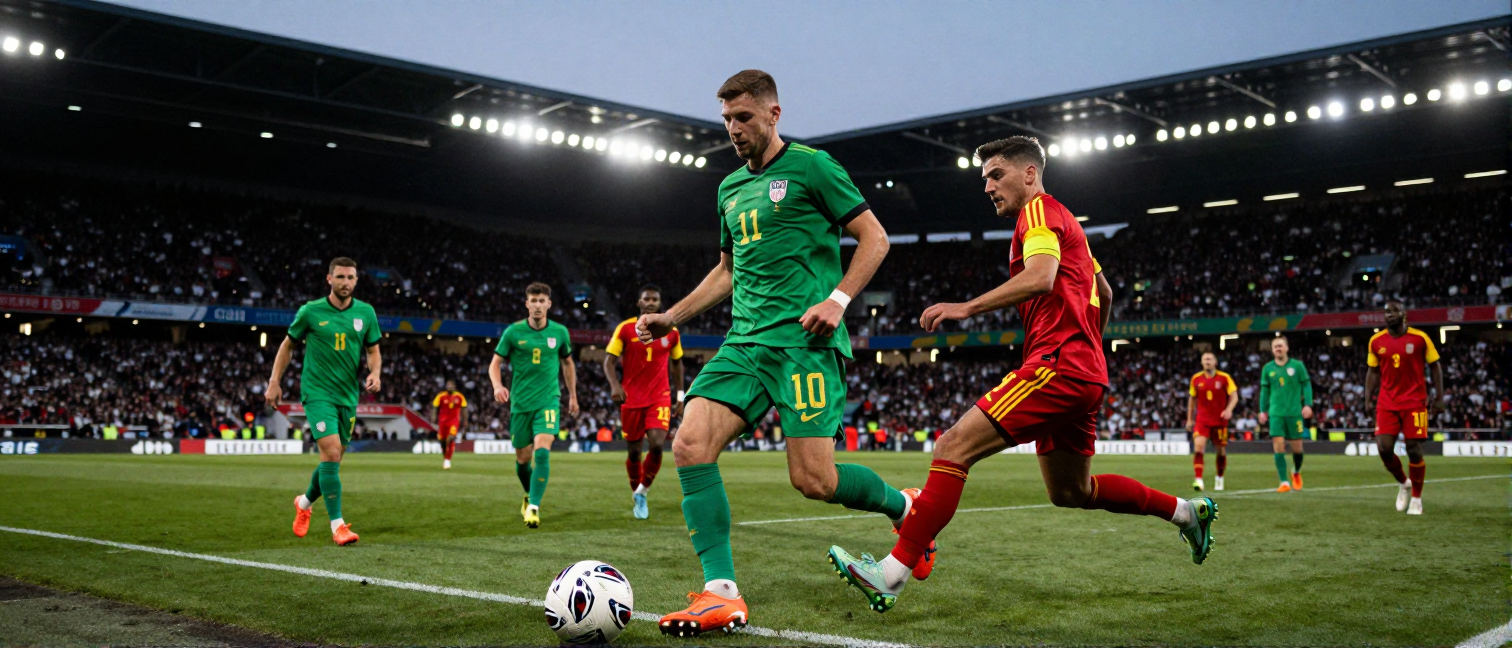
In their last few outings, the Stars and Stripes have employed a 4-3-3 formation, which has allowed for dynamic attacking play and solid midfield control. The front three, spearheaded by the likes of Christian Pulisic and Weston McKennie, have created opportunities but have occasionally struggled with finishing. This indicates a need for not only sharper attacking movements but also a more cohesive approach to linking play from midfield to attack.
Strengthening the Midfield
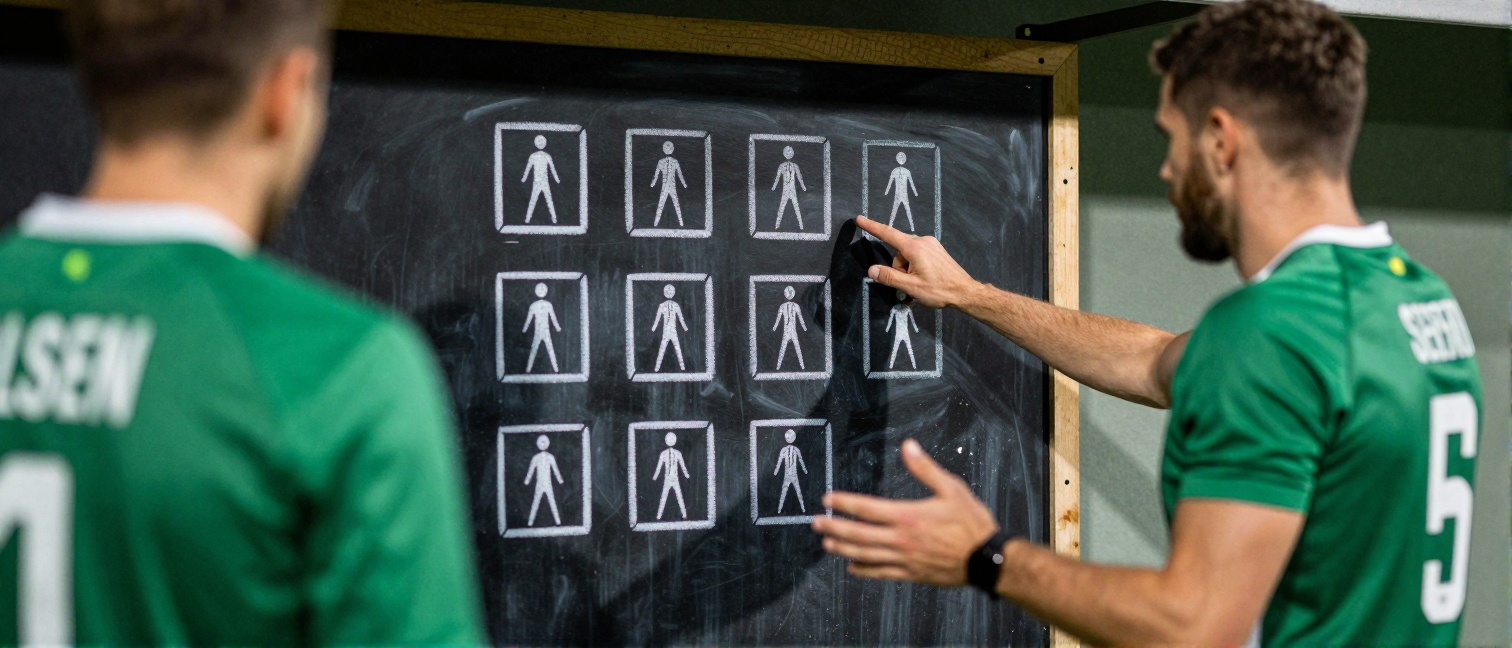
One of the pivotal areas that requires attention is the midfield. While the current trio has shown technical ability and work rate, the balance between defensive responsibilities and offensive support needs fine-tuning. Introducing a more versatile midfielder, perhaps someone like Gio Reyna, could provide the necessary creativity and vision to unlock defenses. By shifting to a 4-2-3-1 formation, the Stars and Stripes can maintain defensive solidity while enhancing their attacking options.
In this setup, a double pivot in midfield allows the team to control the tempo of the game better, facilitating quicker transitions from defense to attack. Reyna's ability to drift into pockets of space could complement the likes of McKennie and Tyler Adams, allowing for more fluid movement and interchanging positions. This tactical tweak not only bolsters the midfield but also provides more options for the wingers, who can exploit the spaces created.
Defensive Coordination
Defensively, the Stars and Stripes have shown vulnerability at times, particularly when facing quick counter-attacks. While the backline, featuring players like Sergiño Dest and Antonee Robinson, possesses speed and agility, communication and positioning have occasionally faltered. To address this, incorporating a more compact defensive structure could help mitigate the risk of being caught out of position.
Bringing in a more experienced central defender to partner with Walker Zimmerman could enhance the understanding within the backline. Additionally, instructing full-backs to maintain a higher line when in possession while being ready to drop back could create a more cohesive unit that is less susceptible to counter-attacks.
Emphasizing Set-Pieces
Another area for potential improvement lies in set-pieces, both offensive and defensive. The Stars and Stripes have shown moments of brilliance during dead-ball situations, but consistency remains an issue. Developing specific routines and ensuring that set-piece specialists are utilized effectively could prove invaluable in tight matches, where goals are at a premium.
Conclusion: Finding the Right Balance
As the United States prepares for the 2026 World Cup, finding the right tactical adjustments will be pivotal for their success. By enhancing midfield dynamics, solidifying defensive structures, and maximizing set-piece opportunities, the Stars and Stripes can elevate their game and present a more formidable challenge to their opponents. The blend of tactical prowess and player adaptability will be crucial in navigating the pressures of international football on the world stage.